.jpg)

The best time to visit Rishikesh yoga schools depends on your goals. Explore our month-by-month guide to weather, retreats, and training. Discover your path!
Best Time to Visit Rishikesh Yoga: Your Ultimate Month-by-Month Guide
Finding the best time to visit Rishikesh yoga ashrams is the secret to a truly life-changing journey. You are likely packing your bags, dreaming of the sacred Ganges, and feeling ready to elevate your practice.
Choosing the right season dictates everything from how your body responds to asanas to the clarity of your meditation. The climate in the Himalayas shifts dramatically throughout the year.
If you arrive unprepared for the heat or the monsoon, your focus might shift away from your spiritual growth. You want your energy poured into your training, not fighting the elements.
This guide breaks down every single month in the yoga capital. You will learn exactly when to book your tickets based on your personal climate preferences and goals.
Whether you want crisp mountain air for deep breathing or warm mornings for intense flexibility work, your ideal window exists. Let us explore the seasons so you can plan your trip with absolute confidence.
Uncovering the Best Time to Visit Rishikesh Yoga
The climate in Northern India plays a massive role in your physical and mental endurance. Your flexibility, hydration needs, and even your mood shift with the changing seasons.
When you enroll in an intensive program, you spend hours on the mat every single day. The Yoga Alliance sets rigorous standards for contact hours, meaning your body needs to be ready for the physical demand.
If you love sweating through vigorous Vinyasa flows, the warmer months will feel like a natural sauna. Your muscles will melt into poses faster, and you will build heat effortlessly.
Conversely, if your focus is on meditation, philosophy, and gentle stretching, the cooler months provide a serene environment. The crisp air keeps your mind incredibly sharp and focused.
Understanding these seasonal rhythms helps you pack correctly and set realistic expectations for your daily routine. Let us look at how the year unfolds along the banks of the Ganges.
Spring (February to April) – The Peak Yoga Season
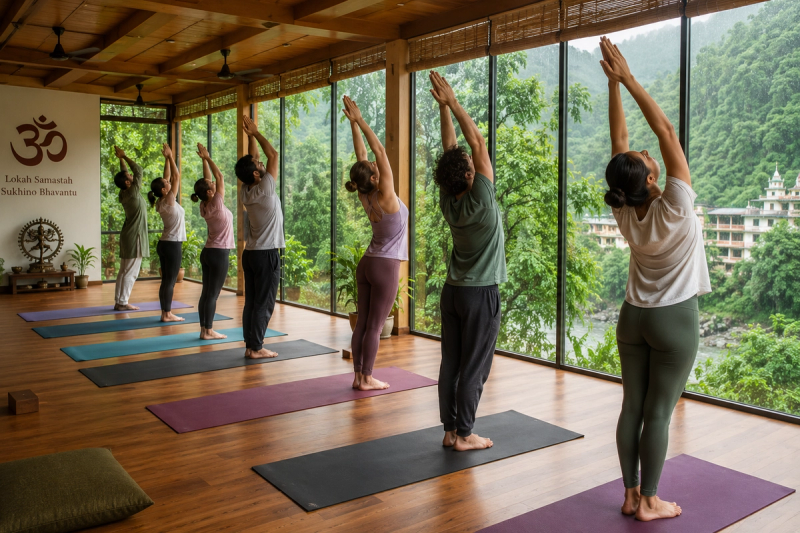
Spring is widely considered the absolute peak season for international travelers heading to India. The weather transitions from chilly to beautifully warm, creating an ideal environment for long hours of practice.
Temperatures usually float between a comfortable 20°C to 30°C during the day. The mornings retain a slight, refreshing chill, while the afternoons are drenched in golden sunlight.
This is the perfect window to tackle an intensive 200-Hour Yoga Teacher Training. Your muscles warm up quickly without the draining exhaustion of mid-summer heat.
Ideal Weather and Festival Vibes
March brings the renowned International Yoga Festival, filling the town with vibrant energy and masters from around the globe. The streets of Tapovan and Laxman Jhula buzz with excitement.
You will meet fellow seekers from every corner of the world during this time. Cafes overflow with conversations about philosophy, anatomy, and alignment.
Because the weather is so accommodating, you can easily explore local temples or hike to nearby waterfalls after class. Spring simply offers the most balanced, pleasant experience for first-time visitors.
Summer (May to June) – Heat and Himalayan Escapes
As May rolls in, the temperatures rise significantly, often pushing past 35°C and sometimes reaching 40°C. The Indian summer is intense, and the air becomes thick and dry.
This season tests your physical endurance and requires a dedicated shift in your daily routine. Practices move to the very early hours of the morning before the sun peaks.
According to traditional guidelines preserved by the Ministry of Ayush, summer requires cooling diets, intense hydration, and modified physical exertion to maintain balance.
Managing the Warmth
If you visit during summer, expect to sweat profusely during every single session. Your body will naturally detoxify, and you will discover a new level of deep flexibility.
Afternoons are reserved for rest, self-study, or cooling off by the river. Many practitioners use this quiet time to dive into philosophy or anatomy textbooks indoors.
This is a brilliant time to focus on shorter, less physically demanding immersions. A 100-Hour Yoga Teacher Training provides a solid foundation without burning you out in the peak heat.
Monsoon (July to August) – A Quiet, Reflective Period
When the rains arrive in July, the landscape transforms into a breathtaking, vibrant green. The Ganges swells, and the dust of the summer is completely washed away.
Monsoon brings high humidity and heavy downpours, which means outdoor activities are often paused. However, the rhythmic sound of the rain creates an incredibly soothing atmosphere.
The crowds thin out significantly, leaving the ashrams peaceful and deeply introspective. If you crave solitude and a slow pace, the rainy season holds a unique magic.
Indoor Focus and Deep Study
Because physical travel is limited, this season naturally pushes you inward. It is the perfect time to focus on subtle energy work rather than just physical asana.
You will have more one-on-one time with your teachers and a deeply intimate class setting. The cooler, wet weather makes cozy indoor studios feel like a true sanctuary.
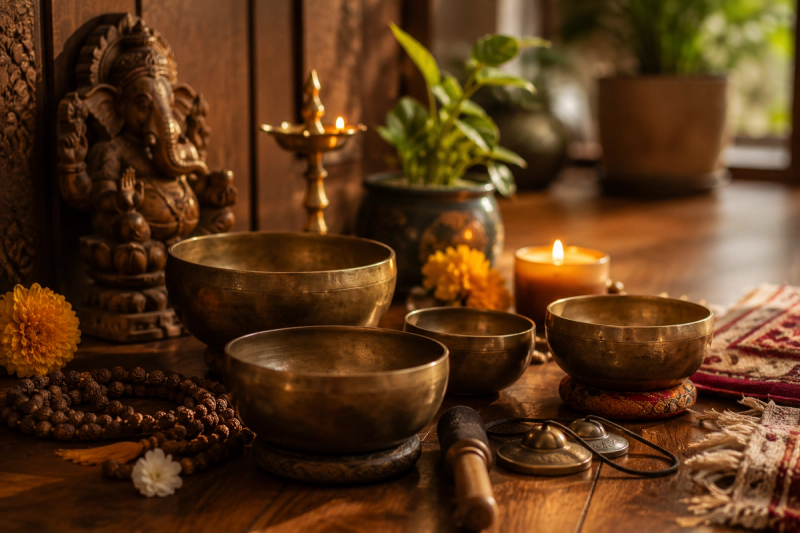
This introspective environment is flawless for specialized, non-physical modalities. Engaging in a Sound Healing Training Course during the monsoon amplifies the therapeutic vibrations of the bowls against the backdrop of the rain.
Autumn (September to November) – Clear Skies and Crisp Air
As the monsoon recedes, September unveils clear blue skies and freshly washed Himalayan peaks. Autumn is the second major peak season for spiritual travelers in India.
The weather mirrors the perfection of spring, with daytime temperatures hovering around 25°C. The humidity drops rapidly, leaving behind crisp, revitalizing air that makes breathing a joy.
Pranayama practices feel incredibly expansive during these months. The atmosphere is highly charged with positive energy, and the local festivals of Navratri and Diwali light up the town.
The Second Peak Season
Just like spring, autumn attracts a vibrant international community. The cafes and streets of Laxman Jhula come alive with music, kirtan, and joyful gatherings.
Your body will feel strong, energized, and capable of handling long, demanding sequences. The climate perfectly supports both rigorous physical training and deep meditation.
If you only have a short window to experience this magical time, you can still absorb the energy. Booking a 5 Days Retreat allows you to recharge fully without committing to a month-long program.
Winter (December to January) – Chilly Mornings and Cozy Studios
Winter brings a sharp, biting cold to the foothills of the Himalayas, especially in the early mornings and late nights. Temperatures can drop to 8°C, requiring layers of warm clothing.
However, the days are often blessed with bright, clear sunshine. Sitting in the afternoon sun after a morning of intense practice feels deeply rewarding and healing.
Your muscles will require longer, more intentional warm-ups to prevent injury. The cold weather naturally stiffens the joints, so a slower, more mindful approach to asana is necessary.
Despite the chill, winter carries a profound stillness. The town is quiet, the air is pure, and the distractions are absolutely minimal.
This is a beautiful time to focus on restorative practices, meditation, and healing. Immersing yourself in Yoga Therapy aligns perfectly with the nurturing, inward-focused energy of the winter months.
Why Rishikesh Matters for Your Yoga Journey
Choosing the right time is important, but choosing the right location is paramount. This town is not just a hub for training; it is the spiritual heartbeat of the discipline.
The moment you step into Tapovan or cross the iconic Laxman Jhula bridge, you feel a shift. The energy of millions of sages and seekers meditating here for centuries is palpable.
Practicing on the banks of the Ganges provides a backdrop you simply cannot replicate in a western studio. The sound of the river naturally guides your breath and calms your nervous system.
Surrounded by the towering Himalayas, you are constantly reminded of the vastness of nature. This environment effortlessly strips away your ego and grounds you in the present moment.
It is a place where ancient philosophy meets modern teaching techniques. You will leave not just with a certificate, but with a profoundly altered perspective on life.
Taking the Next Step in Your Practice
If you are considering training in Rishikesh, Divine Yogpeeth offers a sanctuary right on the banks of the sacred Ganges. We provide authentic teachings rooted in traditional wisdom.
Our school in Laxman Jhula is designed to support you through every season, offering comfortable accommodations and expert guidance. You will find a family here ready to nurture your growth.
Take the time to align your personal goals with the climate that suits you best. Then, explore the various programs on the Divine Yogpeeth home page to find your perfect fit.
Frequently Asked Questions (FAQs)
What is the most popular time for beginners to visit?
Spring (February to April) and Autumn (September to November) are the most popular windows. The mild weather ensures beginners can comfortably handle the physical demands of daily practice without battling extreme temperatures.
Do ashrams stay open during the monsoon season?
Yes, most established schools operate year-round. While the monsoon brings heavy rain, the classes are held in covered, secure studios. It is actually a deeply peaceful time for indoor study and meditation.
What should I pack for a winter retreat?
You will need warm, comfortable layers. Pack thermal leggings, thick socks, a fleece jacket, and a warm shawl for early morning meditation. The studios can be chilly before the sun rises.
Is it safe to travel during the extreme summer heat?
It is safe, provided you listen to your body and stay fiercely hydrated. You must modify your schedule to practice early in the morning and rest during the peak afternoon heat.
Can I still see the Himalayas clearly in the summer?
During May and June, a heat haze often settles over the valley, reducing visibility slightly. For the absolute clearest views of the surrounding peaks, Autumn and Winter are unmatched.
Conclusion: Embrace Your Journey
Deciding the best time to visit Rishikesh yoga schools ultimately comes down to knowing yourself. Whether you thrive in the vibrant energy of spring or the quiet introspection of winter, this sacred land will welcome you.
Every season brings a unique lesson, shaping your practice in unexpected and beautiful ways. The key is simply to make the decision and commit to your path.
Ready to begin? Explore our 200-Hour Yoga Teacher Training and take the first step toward your transformation today.