
Experience a Navratri yoga retreat in Rishikesh spiritual traditions, daily sadhana, meditation and Himalayan serenity. Discover how to plan your retreat today.
Navratri Yoga Retreat Rishikesh Spiritual: Combining Festival Energy with Spiritual Practice
Introduction
What if you could experience Navratri beyond crowded celebrations, festive decorations and traditional rituals? A Navratri yoga retreat Rishikesh spiritual experience offers an opportunity to connect with the deeper meaning of the festival through yoga, meditation, mantra chanting and mindful living.
Navratri celebrates the divine feminine energy, traditionally associated with Goddess Durga and her nine manifestations. Across India, the nine nights are observed through fasting, prayers, devotional music and cultural celebrations. However, the festival also carries a powerful message about self-discipline, inner strength and the balance between body, mind and spirit.
Imagine beginning your morning with meditation beside the Ganga, practising yoga as the Himalayan sun rises, and ending your evening with peaceful mantra chanting. Instead of simply observing the festival, you become an active participant in its spiritual meaning.
Rishikesh provides an inspiring environment for this experience. Its yoga traditions, sacred riverbanks and Himalayan surroundings make it a meaningful destination for combining festival celebrations with personal spiritual practice.
This guide explores how you can celebrate Navratri through yoga, understand its spiritual significance, plan your daily routine and choose a retreat that supports your intentions.
1. Understanding the Spiritual Meaning of a Navratri Yoga Retreat in Rishikesh
Navratri literally means nine nights. The festival represents the victory of divine strength over negative forces and celebrates the different qualities associated with Goddess Durga.
For a yoga practitioner, these nine nights can become an opportunity to explore the relationship between spiritual discipline and everyday life.
The nine manifestations of Goddess Durga, collectively known as Navadurga, are traditionally associated with different qualities, including courage, devotion, wisdom, purity and inner strength.
These qualities connect naturally with the broader philosophy of yoga.
Yoga is not limited to physical postures. Its traditional teachings include ethical principles, self-discipline, breath regulation, meditation and self-study. Navratri offers a cultural and spiritual context in which you can reflect on these aspects more consciously.
During a spiritual retreat, you can use each day to explore a particular intention:
- Day 1 – Grounding: Develop stability and establish a consistent practice.
- Day 2 – Discipline: Strengthen your commitment to personal growth.
- Day 3 – Courage: Recognise fears and practise responding with awareness.
- Day 4 – Creativity: Connect with positive energy and mindful expression.
- Day 5 – Compassion: Develop kindness towards yourself and others.
- Day 6 – Strength: Build confidence through physical and mental discipline.
- Day 7 – Awareness: Observe your thoughts without immediately reacting.
- Day 8 – Purification: Reflect on habits that no longer support your well-being.
- Day 9 – Wisdom: Integrate your experiences into daily life.
These themes are suggested reflection points, not a replacement for traditional religious interpretations. Different regions and traditions may associate the nine days with different practices and meanings.
You can also explore the official traditions and yoga-related educational resources through the <a href="https://yogaalliance.org" rel="nofollow">Yoga Alliance</a> website when researching recognised yoga education and professional standards.
The important point is simple: you do not need to participate in every ritual to appreciate Navratri. You can approach the festival through sincere reflection, respectful participation and a willingness to develop greater awareness.
2. How Yoga and Meditation Deepen Your Navratri Spiritual Experience
A festival can create excitement, but a consistent spiritual practice helps you understand what that experience means to you.
Combining yoga with Navratri celebrations creates a useful balance between external participation and internal reflection.
Instead of allowing nine days to pass through activities alone, you can dedicate specific time to movement, breathing, meditation and silence.
Hatha Yoga for Physical and Mental Balance
Hatha Yoga provides a structured way to develop body awareness through physical postures, controlled breathing and relaxation.
During a Navratri retreat, gentle Hatha Yoga can help you begin your morning with stability and focus.
Depending on your experience and physical condition, your practice may include:
- Surya Namaskar to warm up the body.
- Tadasana to develop postural awareness.
- Trikonasana to improve balance and mobility.
- Bhujangasana to explore spinal extension.
- Balasana for relaxation and recovery.
You should never treat a spiritual retreat as a competition. Your practice should respect your current flexibility, strength and physical limitations.
Pranayama for Breath Awareness
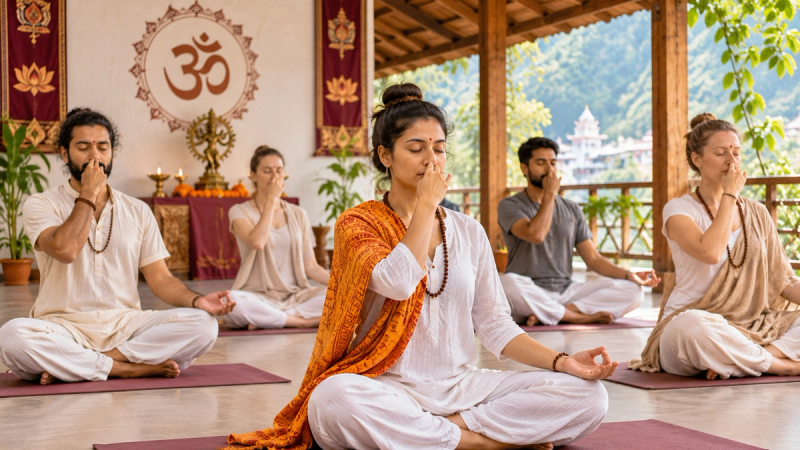
Pranayama introduces you to conscious breathing techniques.
Practices such as Nadi Shodhana can encourage steady attention and a calmer breathing rhythm. Bhramari Pranayama may also be included as a gentle breathing exercise.
These practices should be taught according to your experience and health needs. Forceful breathing techniques are not suitable for everyone.
Meditation for Inner Reflection
Meditation is particularly meaningful during Navratri because it creates space for self-observation.
You can practise a simple meditation routine:
- Sit comfortably with your spine naturally upright.
- Close your eyes if comfortable.
- Observe your natural breathing.
- Notice thoughts without judging them.
- Return your attention gently to the breath.
- Finish by reflecting on one positive intention for the day.
Start with 10–15 minutes and increase the duration gradually.
If you want to understand how energy-centre meditation is approached in yoga traditions, explore this guide to <a href="https://www.divineyogpeeth.com/blog/chakra-meditation-beginners-guide">chakra meditation for beginners</a>.
The goal is not to experience something extraordinary every morning. Consistency, patience and honest self-observation are more valuable than chasing unusual sensations.
3. Navratri Yoga Practices: Mantra Chanting, Devotion and Mindful Living
Navratri is not only a festival of physical celebrations. Devotion, sound, prayer and mindful living are important parts of its traditional observance.
You can incorporate these elements into your retreat without making your schedule unnecessarily complicated.
Mantra Chanting and the Power of Sound
Mantra chanting is a traditional spiritual practice in which specific sounds, words or sacred phrases are repeated with attention.
During Navratri, devotional chants dedicated to Goddess Durga are commonly practised.
For example, you may encounter the Durga mantra:
Om Dum Durgayei Namaha.
You can begin with a few minutes of quiet repetition, paying attention to pronunciation, rhythm and the intention behind the practice.
If you are unfamiliar with Sanskrit, learning the meaning and correct pronunciation from a knowledgeable teacher can make the experience more meaningful.
Chanting should not be treated as a guaranteed method of healing or as a substitute for medical care. Its value in a retreat lies in devotion, concentration and the opportunity to practise with intention.
Sound Healing and Relaxation
Sound-based practices can also complement a retreat.
Singing bowls, bells and other traditional instruments may be used during guided relaxation sessions. Their tones can provide an auditory focus while you rest and observe your breathing.
The experience varies from person to person, and claims of curing diseases through sound should be approached critically.
If you are interested in exploring this area further, you can learn about <a href="https://www.divineyogpeeth.com/blog/sound-healing-session-preparation">how to prepare for a sound healing session</a>.
For additional context about India's traditional systems of health and wellness, the <a href="https://ayush.gov.in" rel="nofollow">Ministry of AYUSH</a> provides information about recognised traditional health systems.
Sattvic Food and Conscious Eating
Food is another important part of many Navratri observances.
Some practitioners follow fasting traditions, while others choose simple vegetarian meals. Dietary practices vary according to family traditions, regional customs and personal health.
A retreat may offer sattvic-inspired meals featuring fresh vegetables, fruits, grains and other simple ingredients.
You can use mealtimes to practise mindful eating:
- Eat slowly and avoid unnecessary distractions.
- Pay attention to hunger and fullness.
- Choose meals that provide adequate nutrition.
- Drink sufficient water.
- Avoid extreme fasting or restrictive diets without appropriate medical guidance.
If you have diabetes, digestive conditions, medication requirements or other health concerns, consult a qualified healthcare professional before fasting.
Spiritual discipline should support your health, not compromise it.
4. Planning Your Nine-Day Navratri Yoga Retreat Experience
A nine-day retreat does not need to be packed with continuous activities. A balanced schedule gives you enough structure to practise while allowing time for rest and personal reflection.
You can divide your day into morning sadhana, daytime learning and evening spiritual activities.
A Sample Daily Retreat Schedule
TimeActivityPurpose5:30 AMWake up and personal preparationBegin the day mindfully6:00 AMMeditation and pranayamaDevelop awareness7:00 AMHatha YogaImprove movement and body awareness8:30 AMBreakfastNourish your body10:00 AMYoga philosophy or self-studyExplore spiritual teachings12:30 PMLunchRest and nourishment2:00 PMPersonal reflection or free timeIntegrate the morning practice4:00 PMGentle yoga or restorative practiceRelax and release tension5:30 PMMantra chanting or devotional activityConnect with the festival7:00 PMDinnerEnjoy a balanced meal8:00 PMJournaling and quiet reflectionReview the day
This is a suggested schedule, not a fixed religious programme. You can adapt it according to the retreat format, your experience and local Navratri events.
How to Structure the Nine Days
You can give each day a simple intention.
Days 1–3: Establishing Your Practice
Focus on creating a consistent routine. Practise basic yoga postures, breathing awareness and short meditation sessions.
Use journaling to identify the habits and distractions that affect your concentration.
Days 4–6: Developing Awareness
Gradually increase your meditation time if comfortable. Explore yoga philosophy and participate in devotional activities that align with your beliefs.
Pay attention to how you respond to stress, discomfort and changing emotions.
Days 7–9: Reflection and Integration
Reduce unnecessary distractions and give yourself time for deeper reflection.
Review the intentions you established at the beginning of Navratri. Identify which practices you would like to continue after returning home.
If nine days are not possible because of work, travel or budget limitations, a shorter retreat can still provide a meaningful introduction to yoga and meditation.
5. Why Rishikesh Is an Ideal Destination for a Navratri Spiritual Yoga Retreat
Your surroundings can influence how you experience a spiritual retreat.
Rishikesh offers a distinctive combination of yoga education, traditional spirituality, Himalayan scenery and the sacred River Ganga.
Located in Uttarakhand, the town has attracted yoga practitioners, spiritual seekers and travellers from different parts of the world.
The Spiritual Atmosphere of the Ganga
The Ganga is deeply respected in Hindu traditions and holds significant cultural and spiritual importance.
Walking along the riverbanks, observing devotional ceremonies and listening to traditional chants can help you understand the cultural context of Navratri.
You may also visit Triveni Ghat or explore the temples and ashrams around Rishikesh.
Remember that religious sites are places of worship, not simply tourist attractions. Follow local customs, dress respectfully and ask before photographing people or ceremonies.
Himalayan Surroundings and Natural Quiet
Rishikesh provides access to beautiful natural surroundings.
The changing light across the hills, the sound of flowing water and the quieter atmosphere away from busy roads can create opportunities for reflection.
You do not need to spend every moment in a meditation hall. A mindful walk, a quiet breakfast or a few minutes observing the river can become part of your daily practice.
A Strong Yoga Learning Community
One of Rishikesh's practical advantages is its established yoga-learning environment.
You can find different teaching styles, including Hatha, Ashtanga, Vinyasa, meditation and traditional yoga philosophy.
However, not every school or retreat offers the same quality.
Before booking, examine the teachers' qualifications, daily timetable, accommodation, meal arrangements, class size and the actual content of the programme.
If you are visiting from another country, this <a href="https://www.divineyogpeeth.com/blog/yoga-retreat-rishikesh-foreigners-guide">Rishikesh yoga retreat guide for international visitors</a> can help you understand practical considerations before travelling.
You can also explore the differences between a structured retreat and a regular holiday through this guide to <a href="https://www.divineyogpeeth.com/blog/yoga-retreat-vs-yoga-vacation-difference">yoga retreats versus yoga vacations</a>.
Rishikesh is not automatically peaceful everywhere. Popular areas can become busy, particularly during major festivals. Choosing accommodation and a retreat location carefully makes a real difference.
6. Choosing the Right Navratri Yoga Retreat: What Should You Look For?
Not every yoga programme is designed around the same objectives.
Some retreats focus primarily on relaxation, while others include intensive physical practice, philosophy classes or teacher-training modules.
Before selecting a programme, decide what you actually want from your Navratri experience.
Choose a Programme That Matches Your Experience
If you are new to yoga, look for a retreat that includes beginner-friendly postures, breathing exercises and guided meditation.
Experienced practitioners may prefer a programme with deeper philosophical discussions, longer meditation sessions or a broader range of yoga practices.
Avoid selecting an intensive programme simply because it appears more spiritual or challenging.
Check the Teacher's Experience
A good instructor should be able to explain the purpose of a practice, offer suitable modifications and respect different physical abilities.
Ask about:
- Teaching qualifications and practical experience.
- The balance between physical yoga and meditation.
- Whether philosophy sessions are included.
- The maximum number of participants.
- Individual guidance and support.
Understand the Accommodation and Food Arrangements
Your environment should support rest and regular practice.
Check whether the programme includes accommodation, meals, drinking water, Wi-Fi, transport assistance and other facilities.
International visitors should also check airport transfers, visa requirements and travel insurance independently.
Retreat or Teacher Training?
A retreat is generally suitable if your primary intention is to practise yoga, relax and explore spiritual traditions.
Teacher training has a different purpose. A 100-hour or 200-hour programme involves structured learning and should not be treated as a simple festival holiday.
For a more informed decision, explore the philosophy behind <a href="https://www.divineyogpeeth.com/blog/yoga-philosophy-modern-practice">yoga philosophy and its importance in modern practice</a>.
Choose the format according to your actual goals rather than the number of activities included in its brochure.
7. Experience a Meaningful Yoga Retreat at Divine Yogpeeth, Rishikesh
If you want to combine yoga practice with the spiritual atmosphere of Rishikesh, the school you choose should provide a balanced learning environment rather than simply promising a peaceful holiday.
At Divine Yogpeeth, located in the Laxman Jhula and Tapovan area of Rishikesh, we offer yoga learning and retreat programmes designed for practitioners with different levels of experience.
You can explore our official Divine Yogpeeth website to understand our school and available programmes.
Depending on your schedule and intentions, you can consider:
- 3-Day Yoga Retreat: A shorter introduction to yoga and mindful living. Explore our 3-day yoga retreat in Rishikesh.
- 5-Day Yoga Retreat: More time to establish a daily routine and explore different aspects of yoga. Discover our 5-day yoga retreat programme.
You can also enquire about the availability of meditation, philosophy and other practices that suit your interests.
Navratri dates change each year according to the Hindu lunar calendar. Therefore, if you want to attend a retreat during the festival, confirm the exact dates, programme schedule and availability directly before making travel arrangements.
A retreat should leave you with practices that you can realistically continue at home, not just memories of a beautiful location.
8. How to Continue Your Spiritual Practice After Navratri
The end of Navratri does not have to mean the end of your spiritual discipline.
One of the most useful ways to approach the festival is to treat its nine days as the beginning of a sustainable routine.
You do not need to maintain a full retreat timetable once you return to your regular responsibilities.
Instead, identify a few practices that fit your lifestyle.
Create a Realistic Daily Routine
A simple routine can be more effective than an ambitious plan that you abandon after a week.
Consider this 30-minute daily structure:
- 5 minutes of quiet breathing.
- 15 minutes of suitable yoga postures.
- 5 minutes of meditation.
- 5 minutes of journaling or reflection.
You can adjust the duration according to your schedule and physical condition.
Keep a Spiritual Journal
Write down what you noticed during the festival.
For example:
- Which practice helped you concentrate?
- What did you learn about discipline?
- Which habits would you like to change?
- How did you respond to uncomfortable thoughts?
- What does spiritual strength mean in your everyday life?
These questions encourage honest reflection rather than relying on temporary festival enthusiasm.
Stay Connected With Your Practice
If you enjoyed meditation, continue with short daily sessions.
If you connected with mantra chanting, maintain a simple devotional routine. If physical yoga was the most valuable part of your retreat, establish a consistent weekly schedule.
You can also revisit the teachings and techniques you learned during your stay.
The real value of a spiritual retreat is not measured by how many activities you complete. It is reflected in how thoughtfully you apply what you learn in ordinary life.
9. Frequently Asked Questions About Navratri Yoga Retreats in Rishikesh
1. Is Rishikesh a good destination for a Navratri yoga retreat?
Yes. Rishikesh has an established yoga community, traditional spiritual sites and access to the Ganga River and Himalayan surroundings. It offers opportunities to combine yoga, meditation and cultural exploration during Navratri.
However, your experience depends on the programme, accommodation and timing you select.
2. Can beginners join a Navratri yoga retreat?
Yes. Many retreat programmes welcome beginners.
Choose a school that offers suitable modifications, introductory yoga sessions and guided meditation. You do not need previous experience in yoga, Sanskrit or meditation to begin.
3. What should you practise during the nine days of Navratri?
You can combine Hatha Yoga, gentle pranayama, meditation, mantra chanting, self-study and personal reflection.
You may also participate in traditional Navratri celebrations according to your interests and beliefs.
There is no single mandatory yoga routine for everyone during the festival.
4. Do you need to fast during a Navratri yoga retreat?
No. Fasting is a personal and religious choice, not a requirement for practising yoga during Navratri.
If you choose to fast, consider your health, nutritional needs and physical activity. Consult a healthcare professional if you have a medical condition or take regular medication.
5. How many days should you spend on a Navratri yoga retreat in Rishikesh?
Nine days allow you to follow the full festival period, but shorter programmes can also be valuable.
A three-day retreat may suit a limited schedule, while five days provide more time to establish a consistent routine. The right duration depends on your budget, availability and objectives.
Conclusion: Celebrate Navratri Through Yoga, Awareness and Inner Strength
A Navratri yoga retreat Rishikesh spiritual experience can offer much more than a temporary break from everyday responsibilities.
It gives you an opportunity to explore the deeper meaning of Navratri through mindful movement, meditation, devotional practices and personal reflection.
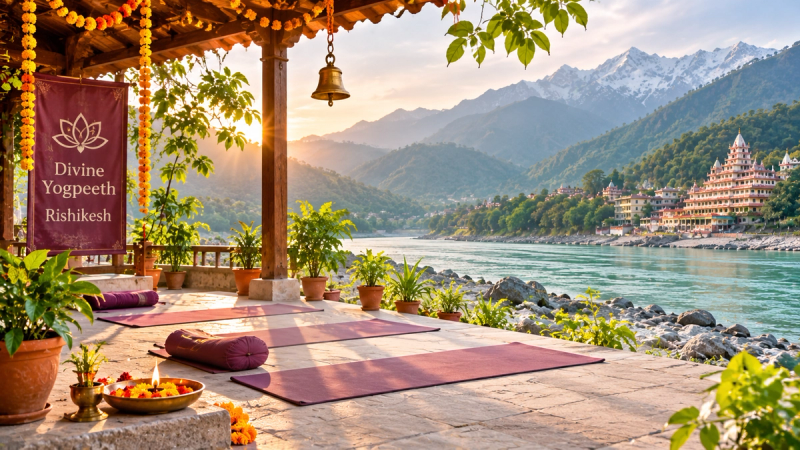
With the Ganga flowing through Rishikesh and the Himalayan landscape surrounding the region, you have a meaningful setting in which to slow down and reconnect with your intentions.
Whether you are a beginner exploring yoga for the first time or an experienced practitioner looking to deepen your sadhana, the most important thing is to choose a programme that matches your needs.
At Divine Yogpeeth, we welcome you to explore our retreat programmes and discover opportunities to practise yoga in Rishikesh.
Ready to experience a more mindful Navratri? Explore our 5-Day Yoga Retreat in Rishikesh and enquire about available dates for your next spiritual retreat.