
Partner sound healing practices couples can share through singing bowls, breathwork and mindful listening. Explore 7 calming ideas together. Discover more.
Partner Sound Healing Practices Couples Can Share: 7 Meaningful Ways to Connect
Introduction
What if spending twenty quiet minutes together could help you listen more carefully, slow down and reconnect without needing to find the perfect words? Partner sound healing practices couples can explore offer a shared way to experience relaxation, mindful listening and intentional time together.
Unlike activities that require conversation or physical effort, sound-based practices invite you to pause and pay attention. You can listen to singing bowls, explore gentle humming, practise breathing together or experience a guided sound bath.
These activities are suitable for couples who are new to meditation as well as partners who already enjoy yoga and wellness practices. You do not need expensive instruments or advanced knowledge to begin.
In this guide, you will discover seven practical ways to experience sound healing with someone else, how to create a comfortable environment, what instruments you can use and how to approach shared sessions responsibly.
You will also learn why Rishikesh, with its yoga traditions and Himalayan surroundings, can be an interesting destination for couples exploring sound-based wellness.
1. What Are Partner Sound Healing Practices Couples Can Explore?
Partner sound healing is a shared relaxation and listening experience in which two people participate in sound-based activities together. Rather than treating the session as a performance, you focus on listening, breathing and noticing how different sounds affect your individual experience.
You might use Tibetan singing bowls, crystal bowls, gentle bells, humming or recorded soundscapes. One partner may create sounds while the other listens, or both may participate in the same activity.
The purpose is not to produce a perfect musical performance. It is to create a comfortable environment where you can slow down and share an experience without unnecessary distractions.
How Does Shared Sound Practice Work?
Sound travels through vibrations in the air, which your ears detect and interpret. Different instruments produce different tones, rhythms and patterns.
During a shared session, you can pay attention to:
- The changing pitch and resonance of an instrument.
- The difference between silence and sound.
- Your breathing before, during and after the activity.
- Your comfort level with particular sounds.
- The experience of listening without interrupting each other.
Some people find these activities relaxing, while others may simply enjoy the opportunity to sit quietly with their partner.
Sound healing is a complementary wellness practice, not a substitute for medical treatment or professional mental healthcare. Scientific evidence for specific healing claims remains limited.
If you want to understand how sound-based relaxation fits into a wider wellness routine, exploring
can provide useful background on sound and music.
2. Seven Partner Sound Healing Practices for Couples
You do not need to practise all seven activities in one sitting. Start with one or two methods, notice how comfortable you feel and gradually develop a shared routine.
Practice 1: Partner Singing Bowl Meditation
Woman and man playing on a tibetian singing bowl for sound therapy sitting in yoga studio
A singing bowl meditation is one of the simplest ways to introduce sound into your shared wellness routine.
Sit comfortably facing each other or side by side. Place a singing bowl on a stable cushion or flat surface. One partner can gently strike the bowl using its mallet while the other listens to the sound as it gradually fades.
After a few rounds, switch roles.
How to practise:
- Choose a quiet room with comfortable seating.
- Place the bowl on a stable surface.
- Gently strike the bowl without using excessive force.
- Listen to the sound until it naturally fades.
- Allow your partner to take a turn.
Try five to ten minutes initially. Avoid striking the instrument close to someone's ears.
You can also explore different bowl tones and discuss which sounds each person finds comfortable.
Practice 2: Synchronized Breathing With Gentle Humming
Breathing together can introduce a simple sense of rhythm into your session. Adding gentle humming makes the practice more engaging without requiring musical experience.
Sit comfortably with your backs supported. Begin by breathing naturally. Gradually notice the rhythm of your partner's breathing without forcing it to match yours.
When comfortable, gently hum during an exhalation.
A simple sequence:
- Inhale comfortably through your nose.
- Exhale slowly while producing a gentle hum.
- Pause briefly without holding your breath forcefully.
- Repeat at a natural pace.
- Continue for three to five minutes.
You can practise the humming simultaneously or take turns. Keep your voices soft and comfortable.
This exercise combines mindful breathing with vocal vibration. It can encourage attention to the present moment, although it should not be treated as a guaranteed treatment for anxiety or relationship difficulties.
Practice 3: Shared Sound Bath Experience
Sound bath meditation: what is it and how can it help you heal?closeronline.co.uk
A sound bath is a relaxation session in which you listen to instruments such as singing bowls, gongs, chimes and other resonant tools.
For couples, attending the same session creates an opportunity to experience the same sound environment while respecting each person's individual response.
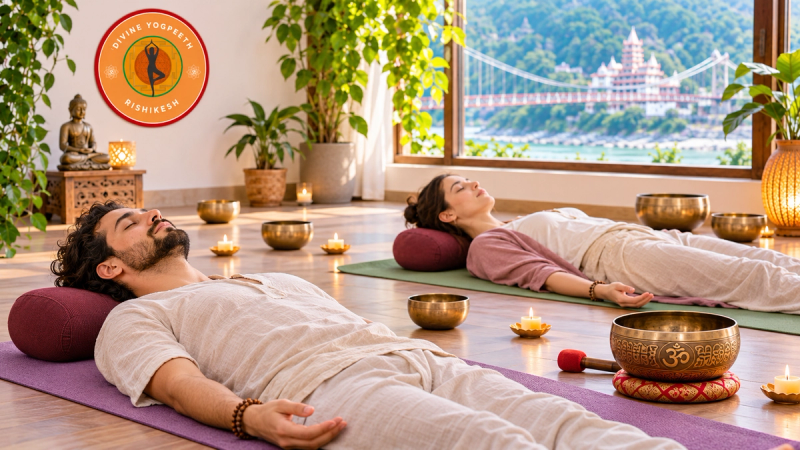
You can lie on separate yoga mats with comfortable distance between you. Close your eyes if you feel comfortable, or simply relax your gaze.
During the session:
- Notice the different sounds without trying to identify every instrument.
- Relax your shoulders and jaw.
- Allow your attention to return to the sounds when your mind wanders.
- Change position whenever necessary.
- Leave the session if the volume or atmosphere becomes uncomfortable.
A sound bath does not require you to achieve a particular mental state. You may feel relaxed, distracted or simply curious.
If you are comparing different session formats, our guide to group versus private sound healing sessions can help you understand the practical differences.
Practice 4: Call-and-Response Sound Meditation
This activity introduces gentle interaction into your shared practice.
One partner creates a simple sound using a bowl, bell or voice. The other responds with a similar sound after listening carefully.
You can experiment with:
- A single bell followed by a second bell.
- A short humming sound followed by a response.
- Different singing bowl tones.
- A gentle rhythm created by alternating sounds.
Start slowly. Give each sound enough time to fade before producing the next one.
The important part is listening before responding. You are not competing or trying to imitate each other perfectly.
This can be an enjoyable exercise for partners who prefer interactive activities over silent meditation.
Practice 5: Mantra Chanting Together
Mantra chanting is another way to combine sound, breath and attention.
A simple option is chanting Om together. You can sit comfortably, take a natural breath and pronounce the sound gently.
Begin with three repetitions. If both partners enjoy the practice, continue for five to ten minutes.
You can experiment with chanting at the same time or alternating turns.
A few practical suggestions:
- Choose a comfortable volume.
- Do not force your voice into a particular pitch.
- Keep your breathing natural.
- Pause whenever your throat feels uncomfortable.
- Approach the mantra with respect for its cultural and spiritual context.
Chanting can become a meaningful shared ritual, especially if you already include meditation or yoga in your routine.
Practice 6: Partner Listening and Silence Meditation
Not every sound healing activity requires an instrument.
In this practice, both partners sit quietly and listen to the sounds around them. These might include birds, flowing water, wind, distant bells or ordinary household sounds.
Choose a comfortable location and sit together for five to ten minutes.
Rather than discussing what you hear, give each other space to experience the environment independently.
Afterwards, you can share one or two observations.
This activity is particularly useful if you find traditional meditation difficult because your attention constantly moves towards thoughts and distractions.
It also demonstrates that mindful listening does not require expensive equipment or a specialised studio.
Practice 7: Alternating Instrument Relaxation
If you have access to several sound instruments, try taking turns creating a short relaxation sequence.
One partner can play a singing bowl while the other rests. After a few minutes, switch roles.
You can also introduce gentle chimes or a soft drum, provided both partners are comfortable with the sounds.
Keep the session simple:
- Begin with one instrument.
- Allow its sound to fade completely.
- Introduce another instrument only if appropriate.
- Give your partner time to rest.
- End with a few minutes of silence.
This activity encourages patience and gives both people an opportunity to participate rather than leaving one partner responsible for the entire session.
3. How to Create a Comfortable Partner Sound Healing Session
Sound Healing: Techniques That Workwhitebutterflypa.com
The environment can influence how comfortable you feel during a shared sound session. You do not need a professionally designed meditation room, but a few thoughtful arrangements can make the experience easier.
Choose the Right Space
Find a location where both partners can sit or lie down without interruptions.
A bedroom, meditation corner or quiet living room can work well. If you practise outdoors, choose a place away from traffic, crowds and excessive background noise.
Select Suitable Instruments
Start with one instrument rather than purchasing an entire collection.
Instrument
Suitable shared activity
Tibetan singing bowl
Listening meditation
Crystal singing bowl
Gentle sound bath
Meditation bell
Beginning and ending a session
Soft drum
Simple rhythmic interaction
Human voice
Humming and chanting
If you are unfamiliar with these instruments, our complete guide to sound healing instruments explains their common uses.
Agree on Volume and Comfort
Sound sensitivity differs from person to person. A tone that feels pleasant to you may feel uncomfortable to your partner.
Before starting, discuss the volume, instrument choices and duration.
Never assume that louder sounds produce better results. Avoid placing vibrating instruments directly on someone's body unless a properly trained practitioner has assessed suitability and obtained informed consent.
Keep the Session Short
For beginners, ten to fifteen minutes is a reasonable starting point.
You can increase the duration gradually if both people enjoy the experience. There is no requirement to complete a long session or follow a strict schedule.
For additional preparation advice, see our guide to sound healing session preparation tips.
Respect Individual Preferences
Shared participation does not mean identical experiences.
One partner may enjoy closing their eyes, while the other prefers sitting upright. One may like singing bowls, while the other prefers humming or natural sounds.
Allow those differences. The session should remain voluntary, comfortable and free from pressure.
For practitioners interested in the relationship between sound and meditation,
is a useful starting point for exploring published scientific literature. Look carefully at the quality and limitations of individual studies rather than assuming every claim about sound healing is established science.
4. Benefits and Limitations of Shared Sound Healing
Shared sound practices can offer several practical benefits, but realistic expectations matter.
You should approach them as activities that support relaxation and mindful participation, not as guaranteed methods of changing your relationship or treating health conditions.
1. Dedicated Time Together
Daily responsibilities can make it difficult to spend uninterrupted time together.
A short sound meditation gives both partners an opportunity to pause and share an activity without phones, television or other distractions.
2. Better Awareness of Listening Habits
Listening carefully to sounds can encourage you to become more attentive during everyday interactions.
The practice does not automatically improve communication, but the habit of allowing someone else to finish before responding can also be useful outside meditation.
3. A Shared Relaxation Routine
You can establish a simple evening or weekend routine around gentle humming, breathing and listening.
Having a repeatable activity can make it easier to maintain consistency without committing to complicated wellness schedules.
4. An Opportunity for Individual Reflection
Although you participate together, each person experiences the session differently.
You may notice your breathing, physical comfort or thoughts changing during the practice. Your partner may notice something entirely different.
Both experiences are valid.
What Sound Healing Cannot Promise
Be careful with claims that specific frequencies can repair relationships, remove trauma, cure illness or permanently balance your body's energy.
These statements are not established medical facts.
Sound-based relaxation may be enjoyable and helpful for some people, but responses vary. If you experience persistent emotional distress, hearing problems, tinnitus or another medical concern, seek appropriate professional advice.
The most useful approach is simple: enjoy the practice without expecting it to solve problems that require communication, professional support or medical care.
5. Why Rishikesh Is an Interesting Place for Couples Exploring Sound Healing
Best Yoga Retreat in India for International Yoga Day 2026wanderon.in
Rishikesh offers a distinctive setting for people interested in yoga, meditation and traditional wellness practices.
Located in Uttarakhand, along the Ganga and close to the Himalayan foothills, the city attracts Indian and international visitors who want to explore different aspects of yoga and mindful living.
For couples, the appeal is not limited to sound healing itself. You can combine a shared meditation session with yoga classes, quiet walks, time near the river and opportunities to learn about Indian wellness traditions.
Experience Yoga and Sound Practices in the Same Setting
Sound-based relaxation can complement other activities such as gentle yoga, pranayama and meditation.
You might begin your morning with a yoga session, spend some time exploring the surroundings and finish the day with a guided sound relaxation activity.
However, avoid filling every hour with organised activities. Allowing time for rest is equally important.
Explore Tapovan and the Ganga Surroundings
Tapovan is one of the well-known areas of Rishikesh for yoga schools, wellness centres and visiting practitioners.
The surrounding environment offers opportunities to step away from ordinary routines and spend time in a different atmosphere.
You can also explore our guide to Tapovan Rishikesh yoga and its practical benefits before planning your visit.
Plan a Short or Extended Wellness Stay
Your schedule depends on how much time you have.
A three-day visit can provide a short introduction to yoga and relaxation. A five-day stay offers more time to establish a routine and explore additional practices.
You can compare the 3-day Rishikesh retreat and 5-day Rishikesh retreat when considering a wellness-focused visit.
Rishikesh is not a guarantee of a particular spiritual or emotional experience. Your comfort, expectations and choice of programme matter more than the destination alone.
6. Explore Sound Healing Learning Opportunities at Divine Yogpeeth
Tibetan Sound Healing Retreat In Rishikeshsatoriyogaschool.com
If shared sound practices have sparked a deeper interest, you may eventually want to understand how instruments, session structure and guided relaxation are approached in a learning environment.
Divine Yogpeeth is a yoga school located in Laxman Jhula, Tapovan, Rishikesh, surrounded by the Himalayan landscape and the Ganga River.
We offer opportunities for students and wellness seekers interested in developing their understanding of yoga and sound-based practices.
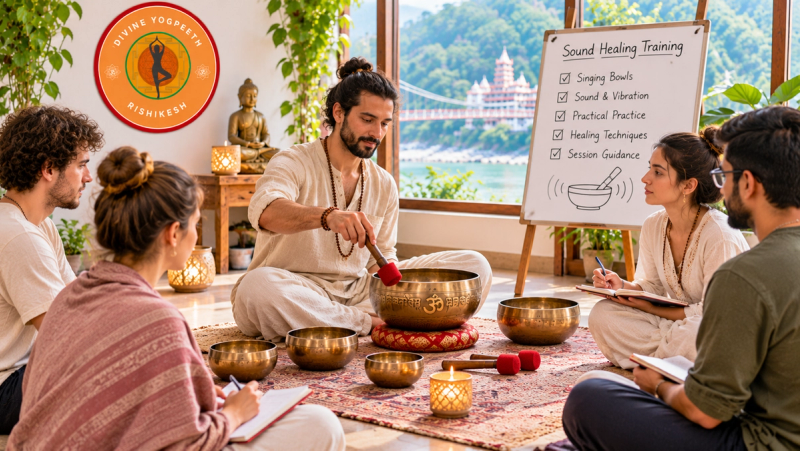
For those specifically interested in learning about sound healing instruments and session approaches, our Sound Healing Training Course is a relevant place to explore.
If you are combining sound healing with a broader yoga education, you can also consider our 100-Hour Yoga Teacher Training or 200-Hour Yoga Teacher Training.
These programmes serve different learning needs, so review their curriculum, duration and eligibility before deciding.
7. How to Build a Sustainable Sound Healing Routine as a Couple
The easiest routine to maintain is one that fits naturally into your existing lifestyle.
You do not need to meditate together every day or purchase expensive instruments to make the practice worthwhile.
Instead, create a simple schedule that both partners genuinely want to follow.
Start With Two Sessions Per Week
Choose two convenient days and reserve ten to fifteen minutes for a shared activity.
You might practise singing bowl meditation on one day and humming with mindful breathing on another.
Alternate Who Leads
Avoid making one person responsible for planning every session.
Take turns selecting the activity, arranging the space and choosing the instruments. This keeps participation balanced.
Keep a Simple Reflection Journal
After each session, write down a few observations:
- Which practice did you enjoy?
- Were any sounds uncomfortable?
- Did the session feel too short or too long?
- Would you repeat the same activity?
You can maintain separate journals or share a few observations together.
Avoid Turning It Into an Obligation
If one partner is tired, uncomfortable or simply not interested on a particular day, skip the session.
A wellness routine should support your lifestyle rather than become another responsibility.
Over time, you may discover that the simplest activities are the ones you enjoy most.
8. Common Mistakes to Avoid During Partner Sound Healing
Even a simple shared session can become uncomfortable when you overlook individual needs.
Here are some mistakes worth avoiding.
Using excessive volume: Loud instruments are not necessary for a meaningful experience. Start softly and adjust according to comfort.
Expecting identical reactions: Your partner may feel relaxed while you remain distracted. Neither response means the session has failed.
Forcing participation: Never pressure someone to chant, close their eyes or use an instrument they dislike.
Buying too many instruments immediately: Begin with a single suitable singing bowl or use your voice. Learn what you enjoy before investing in equipment.
Expecting medical results: Sound healing should not replace professional treatment, therapy or medical advice.
Ignoring cultural context: Mantras and traditional practices have meanings beyond their use as relaxation techniques. Learn about their origins and approach them respectfully.
A thoughtful session is not measured by how many instruments you own or how long you remain silent. It is measured by whether both people feel comfortable participating.
FAQs About Partner Sound Healing Practices
1. Can Beginners Practise Sound Healing Together?
Yes. Beginners can start with simple activities such as listening to singing bowls, gentle humming and mindful breathing. No musical training or previous meditation experience is required. Begin with short sessions and use sounds that both partners find comfortable.
2. Which Singing Bowl Is Best for Couples?
There is no single singing bowl that is best for every couple. Tibetan singing bowls are a common starting point because they can be used for simple listening meditation. Choose an instrument based on its sound, ease of use and your personal comfort rather than relying on claims about specific frequencies.
3. How Long Should a Couples Sound Healing Session Last?
A beginner session can last around ten to fifteen minutes. You can gradually extend it if both partners enjoy the practice. A shorter, comfortable session is generally more sustainable than a long session that feels tiring or forced.
4. Can Sound Healing Improve a Relationship?
Sound healing is not a proven relationship treatment. However, shared activities involving listening, silence and mindful participation can provide dedicated time together. For relationship difficulties, persistent conflict or emotional distress, direct communication and qualified professional support may be more appropriate.
5. Can Couples Learn Sound Healing in Rishikesh?
Yes. Rishikesh has yoga schools and wellness learning environments where you can explore sound-based practices. If you want structured instruction rather than only experiencing a relaxation session, investigate the curriculum, practical training, instructor experience and course suitability before enrolling.
Conclusion: Make Sound Healing a Shared Practice, Not a Performance
Partner sound healing practices couples explore do not need to be complicated. A singing bowl, a few minutes of humming or simply listening to the sounds around you can create an enjoyable shared wellness activity.
Start with what feels natural. Respect your partner's preferences, keep the volume comfortable and avoid expecting every session to produce the same result.
If you want to take your interest further, Rishikesh offers opportunities to explore yoga, meditation and sound-based wellness in a traditional learning environment.
Ready to understand sound healing beyond personal practice? Explore our Sound Healing Training Course in Rishikesh at Divine Yogpeeth and take the next step towards structured learning.