.jpg)

Small group yoga teacher training benefits ensure personalized guidance, safety, and deep growth. Discover why intimate class sizes matter. Find out more.
Small Group Yoga Teacher Training Benefits: Why Batch Size Determines Your Success
Have you ever wondered why some students graduate from their certification feeling completely confident, while others feel lost in the crowd? The small group yoga teacher training benefits are exactly what create that undeniable difference. When you commit to learning this ancient science, the environment you choose dictates the quality of your education.
Stepping into a packed hall with fifty other aspiring instructors might seem exciting at first glance. However, the reality of mastering complex anatomical alignments requires focused, individualized attention. You cannot perfect your downward dog or understand intricate sequencing when your instructor can barely see you from across the room.
This guide explores exactly why intimate batch sizes accelerate your growth and protect your practice. You will discover how a low student-to-teacher ratio directly impacts your future career as an instructor. By the end of this read, you will understand exactly what to look for when booking your upcoming certification journey.
Unpacking the Small Group Yoga Teacher Training Benefits
Understanding the core small group yoga teacher training benefits starts with acknowledging how adults learn best. When you participate in an intimate setting, the educational framework shifts from a generalized lecture to a tailored mentorship. Your lead teachers can observe your unique physical limitations, mental hurdles, and personal learning pace.
In mass-market courses, standardization is necessary to push a high volume of students through the curriculum. You are often treated as a number, following a rigid schedule that leaves no room for personal questions or deep exploration. Smaller classes shatter this factory-style approach, giving you the breathing room to truly absorb the material.
Institutions that prioritize quality over volume often align their curriculum with globally recognized standards. For instance, reputable schools ensure their low-ratio classes meet the rigorous credentialing guidelines established by Yoga Alliance. This ensures your intimate learning experience translates directly into a universally accepted professional qualification.
Maximizing Personal Attention and Real-Time Corrections
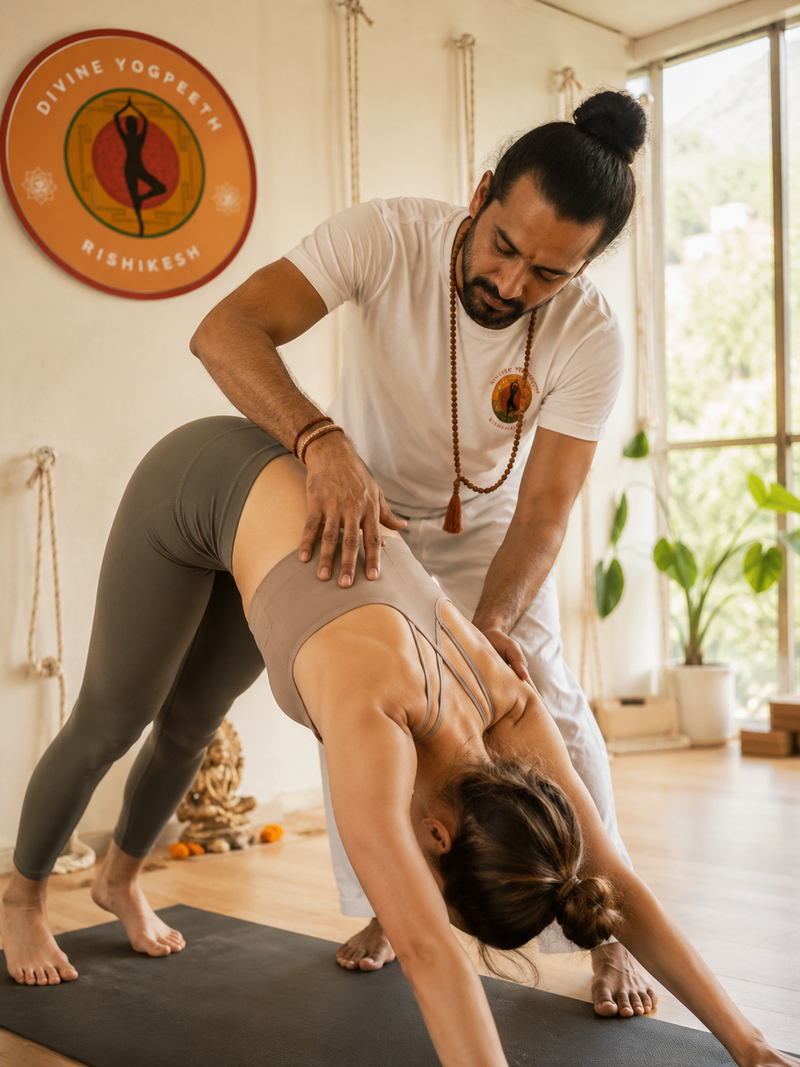
One of the most profound small group yoga teacher training benefits is the constant stream of personalized feedback. Yoga is a deeply physical practice where a misaligned knee or a collapsed arch can lead to long-term strain. In a setting with fewer than fifteen peers, your teacher can physically assist and correct your posture daily.
These real-time adjustments do more than just improve your current asana practice. They train your muscle memory, ensuring you internalize the correct feeling of every pose. When you eventually stand in front of your own students, you will know exactly how a safe, properly aligned posture should look and feel.
If you are debating the length of your program, understanding how much personal attention you need is crucial. Those seeking clarity on different program lengths should explore this guide on 100 Hour vs 200 Hour Yoga Teacher Training: 5 Best Truths. Choosing the right duration combined with a small batch size guarantees optimal absorption of knowledge.
Safe Practice and Injury Prevention in Small Batches
When you practice yoga intensively for several weeks, your body undergoes immense physical stress and transformation. Pushing your physical limits safely requires vigilant supervision from experienced masters who know your body’s unique mechanics. In a crowded room, a slight misalignment during a challenging transition can easily go unnoticed, leading to serious injury.
Intimate class sizes allow instructors to spot fatigue and incorrect weight distribution before it causes harm. They can offer you modified variations of complex poses, utilizing props that suit your current flexibility and strength. This bespoke approach ensures you complete your intense physical journey feeling stronger, rather than depleted or injured.
The anatomical focus required to prevent injury is deeply tied to biological and physiological sciences. You can often see the importance of exact biomechanics discussed in clinical studies available through PubMed. Applying this level of scientific precision to your daily asana practice is only possible when your teacher has the time to focus on your specific anatomy.
Building Deep Connections with Masters and Peers
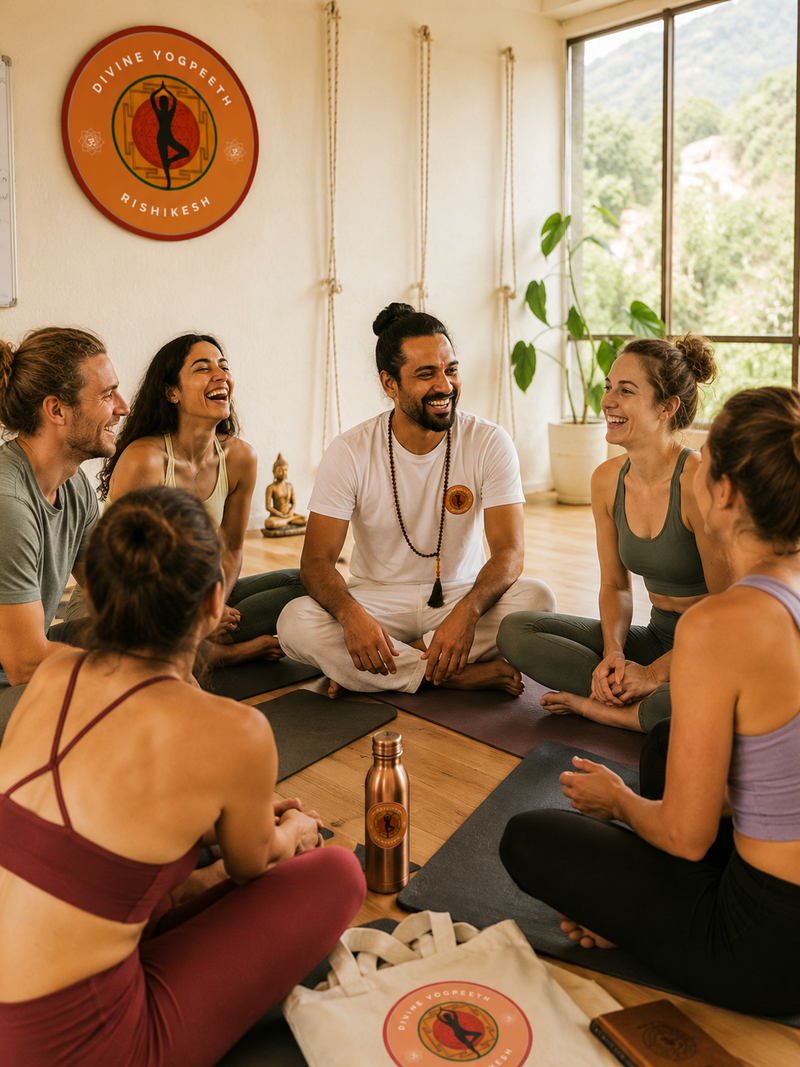
The journey to becoming a certified instructor is often an emotional and spiritually demanding path. Surrounding yourself with a close-knit group of like-minded individuals creates a vital safety net during challenging moments. You share meals, breakthroughs, and moments of vulnerability that forge lifelong friendships and professional networks.
In a massive class, social cliques form quickly, and you might barely speak to the person sitting two rows behind you. Intimate batches force genuine interaction, allowing you to learn from the diverse backgrounds and questions of your peers. Your fellow students become your first practice clients, offering honest, constructive feedback in a high-trust environment.
This deep sense of community extends beyond the physical asana practice and into your daily routine. Finding the right foundational start is critical for this group cohesion. You can explore how a well-structured 100 Hour Yoga Teacher Training fosters these early, unbreakable bonds between dedicated practitioners.
Mastering Your Voice and Teaching Methodology
Knowing how to execute a perfect headstand does not automatically make you a great instructor. Teaching requires confident vocal projection, clear cueing, and the ability to read a room instantly. Small group sizes provide you with ample, stress-free opportunities to practice leading a class out loud.
When there are fewer students, the practicum hours—where you actually teach your peers—are significantly longer and more frequent. You receive detailed critiques on your pacing, your choice of words, and your energetic presence. This direct mentorship polishes your raw skills into a professional, engaging teaching persona.
Developing this unique teaching voice is a structured process that requires specific techniques. To understand how smaller groups facilitate this exact process, review the insights on Yoga Teaching Methodology TTC: 5 Proven Keys to Success. Mastering these methodology principles is vastly easier when you are not fighting for your instructor's attention.
Tailoring the Curriculum Pacing to Your Needs
Every training cohort has a unique collective energy and a different baseline of prior knowledge. When a batch is small, the lead instructor has the agility to slow down or speed up the curriculum based on the group's comprehension. If everyone struggles with the anatomy of the nervous system, the teacher can dedicate an extra hour to that specific topic.
Large, commercial courses cannot afford this flexibility; they must stick to a rigid syllabus regardless of student understanding. This often leaves slower learners behind and bores advanced practitioners who are ready to progress. An intimate setting ensures that the syllabus serves the students, rather than forcing the students to serve the syllabus.
This adaptable pacing is particularly beneficial when exploring niche subjects that require deep concentration. For instance, mastering the subtle vibrations of sound therapy requires a calm, focused environment. You can see how this focused approach applies by exploring our specialized Sound Healing Training Course.
Overcoming Imposter Syndrome Faster
Almost every aspiring yoga teacher battles a severe case of imposter syndrome during their certification course. You might constantly question if your practice is advanced enough or if you are spiritual enough to guide others. In large groups, comparing yourself to the most flexible or outspoken student in the room exacerbates these self-doubts.
A small, supportive circle dismantles this competitive anxiety almost immediately. Your teachers have the time to sit with you, validate your unique strengths, and remind you why your specific voice matters. You quickly realize that perfection is a myth, and your authenticity is your greatest asset as a future guide.
Understanding the value of your credential also helps banish this lingering self-doubt. If you are wondering about the global recognition of your hard work, reading Yoga Alliance Certification Worth It? 7 Real Truths provides excellent clarity. Knowing your intimate training holds international weight gives you the confidence to start teaching immediately.
The Impact of Class Size on Learning Ancient Philosophy
Yoga philosophy is dense, complex, and often challenges your deeply held personal beliefs and worldviews. Studying texts like the Yoga Sutras of Patanjali requires open dialogue, debate, and personal reflection. You cannot simply memorize these ancient verses; you must understand how to apply them to modern daily life.
In a packed auditorium, philosophy classes often devolve into passive listening sessions where questions are discouraged to save time. Intimate groups transform these lectures into vibrant satsangs (spiritual discourses) where you can ask profound, clarifying questions. Your teacher can guide you through the nuances of the philosophy, ensuring you deeply internalize the ethical foundations of yoga.
This philosophical depth directly impacts how you interact with students in different training formats. The debate between digital and physical learning spaces often hinges on this exact philosophical exchange. You can dive deeper into this topic by reading about Online vs In Person 200 Hour YTT: 7 Proven Truths.
Why Rishikesh? The Ultimate Backdrop for Focused Learning
Choosing to study in the yoga capital of the world adds an undeniable layer of authenticity to your journey. The banks of the holy Ganges and the foothills of the Himalayas carry a unique spiritual frequency. Practicing in this sacred geography accelerates your inner growth and deepens your meditative focus.
However, the popularity of the city means it is filled with hundreds of competing schools and crowded ashrams. Finding a sanctuary that intentionally limits its intake protects your peace of mind amidst the bustling spiritual tourism. An intimate batch size acts as a buffer, allowing you to absorb the city's magic without feeling overwhelmed by the crowds.
When you merge the profound energy of this ancient city with a low-ratio learning environment, magic happens. You receive the traditional Indian ashram experience without sacrificing modern educational standards and personalized care. This powerful combination is what truly sets a premium certification apart from a standard vacation retreat.
Finding the Right Fit for Your Journey
Selecting the perfect school requires honest self-reflection about your learning style and career goals. You need a space that challenges your physical limits while nurturing your spiritual and mental well-being. Prioritize institutions that proudly advertise their commitment to capped batch sizes and individualized mentorship.
If you are considering training in Rishikesh, Divine Yogpeeth offers an incredibly supportive environment built on these exact principles. We ensure every student receives the dedicated time and space needed to blossom into a confident leader. You can experience our foundational approach directly through our comprehensive 200 Hour Yoga Teacher Training.
Take the time to reach out to the lead instructors before you place your deposit. Ask them directly about their student caps and how they handle real-time feedback during practicum sessions. A quality school will always be transparent and enthusiastic about their commitment to personalizing your education.
Overcoming Common Doubts About Small Group Sizes
Some students worry that a smaller group means fewer networking opportunities or a less diverse range of perspectives. This is a common misconception; intimate settings actually foster deeper, more meaningful professional connections. Instead of fifty superficial acquaintances, you graduate with ten reliable colleagues who actively support your future career.
Another lingering doubt is that smaller classes might lack the dynamic energy of a massive, packed vinyasa flow. While the volume in the room might be quieter, the focus and shared intention are vastly more potent. You trade chaotic background noise for a deeply synchronized, shared breathing experience that elevates the entire room.
If you still have questions about what to expect before making your final decision, thorough research is key. Many common worries are addressed comprehensively in our Yoga Teacher Training Beginners FAQ: 10 Proven Answers. Clearing these doubts ensures you arrive on your mat with an open heart and a focused mind.
Small Group Yoga Teacher Training Benefits vs. Mass Market Courses
The stark contrast between these two educational models cannot be overstated when planning your career. Mass market courses prioritize profit margins, packing as many mats into a hall as physically possible. They rely on generalized cueing and peer-led adjustments, which often severely compromise safety and learning outcomes.
Conversely, focused, intimate programs prioritize the legacy and lineage of the yoga tradition. The instructors are invested in your personal success because your teaching reflects directly upon their mentorship. This high-accountability environment guarantees that you will not slip through the cracks or graduate feeling unprepared.
Ultimately, your certification is an investment in your future business, your physical health, and your spiritual growth. You deserve an environment that honors that investment with unwavering attention, respect, and expert guidance.
Frequently Asked Questions
Why is the student-to-teacher ratio so important in yoga?
A low ratio ensures your teacher can safely monitor your alignment, prevent injuries, and offer personalized adjustments. It transforms the experience from a generic group fitness class into a dedicated, hands-on mentorship program.
Will a smaller batch size affect my ability to network?
No, it actually improves the quality of your network drastically. You build profound, trusting relationships with your peers and instructors, leading to reliable, lifelong professional support and friendships.
Do intimate classes cover the exact same curriculum?
Yes, they cover the exact same rigorous curriculum but often with much greater depth and clarity. Because the teacher spends less time managing a crowd, there is more time dedicated to your personal understanding and practicum.
Conclusion and Your Next Steps
The small group yoga teacher training benefits completely redefine how you experience and absorb this ancient science. From securing real-time, injury-preventing adjustments to building unbreakable bonds with your peers, an intimate setting is crucial. It provides the psychological safety needed to overcome imposter syndrome and find your unique, powerful teaching voice.
When you prioritize individualized attention, you graduate not just with a certificate, but with genuine, deep-rooted confidence. You will possess the practical skills and the philosophical understanding required to guide others safely and authentically. The environment you choose today dictates the caliber of teacher you will become tomorrow.
Ready to begin? Explore our welcoming community at the Divine Yogpeeth Home and take the first step toward your transformation today.