
A winter yoga retreat in Rishikesh offers peaceful mornings, refreshing Himalayan air and mindful practices. Discover why November to February is ideal. Learn more.
Winter Yoga Retreat Rishikesh: Why November to February Is Peak Season
Introduction
A winter yoga retreat Rishikesh experience can change the way you connect with your daily practice. Imagine beginning your morning with gentle sunlight, cool Himalayan air and the peaceful sound of the Ganga flowing nearby. Instead of rushing through your day, you have time to breathe, stretch, meditate and reconnect with yourself.
November to February is one of the most popular periods for visiting Rishikesh. The monsoon has passed, the surroundings become clearer, and the cooler weather creates a different atmosphere for yoga and meditation.
However, winter in the Himalayan foothills is not the same throughout the season. November feels different from January, and February gradually brings warmer afternoons. Understanding these differences can help you choose the right dates, activities and accommodation.
Whether you are an international traveller planning your first yoga holiday in India or an Indian practitioner seeking a peaceful break, this guide explains what makes winter special, what to expect from the weather and how to prepare for a comfortable retreat.
Why Is Winter Yoga Retreat Rishikesh So Popular?
Rishikesh attracts yoga practitioners throughout the year, but winter brings a particular combination of comfortable daytime temperatures, post-monsoon landscapes and a quieter atmosphere in many parts of the town.
The appeal is not simply about practising yoga in cooler weather. It is about having an environment that encourages a slower, more intentional daily routine.
Here are some reasons winter attracts yoga travellers.
1. Comfortable Temperatures for Daytime Practice
Unlike the intense summer heat, winter generally offers more comfortable conditions for outdoor activities during daylight hours.
You can enjoy walking, sightseeing and gentle outdoor yoga without dealing with the same level of heat and humidity experienced during summer.
However, early mornings and evenings can become quite cold, particularly in December and January. Indoor practice spaces and suitable warm clothing remain important.
2. Clearer Mountain Views
After the monsoon season, the surrounding landscape gradually becomes clearer.
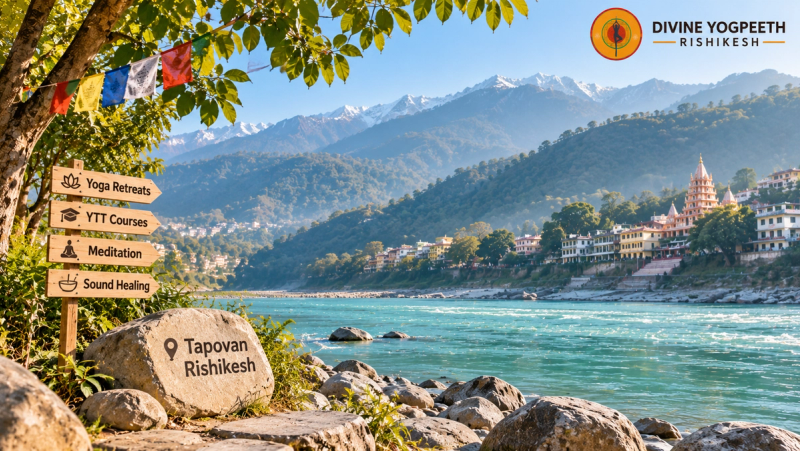
On suitable days, you may enjoy beautiful views of the Himalayan foothills, greener surroundings and the flowing Ganga. The atmosphere can feel particularly refreshing when you spend time outdoors.
Weather conditions still vary, and mist or fog can affect visibility during winter mornings.
3. A More Relaxed Travel Experience
Winter attracts yoga students, international visitors, spiritual travellers and people interested in wellness.
Although popular locations can become busy, especially around holiday periods, you can still find quieter accommodation and practice spaces away from the busiest streets.
Choosing your accommodation carefully can make a considerable difference to your experience.
4. A Natural Opportunity to Slow Down
Cold mornings often encourage you to spend more time indoors, read, journal, meditate or focus on personal reflection.
A structured retreat can help you establish a routine that may be difficult to maintain during your regular working or academic schedule.
For additional perspective, explore the differences between a yoga retreat and a regular yoga vacation.
November to February: Understanding the Winter Season in Rishikesh
Not every winter month offers the same experience. Your ideal travel dates depend on your temperature preferences, budget, activities and tolerance for cold weather.
Understanding the seasonal differences before booking helps you make a better decision.
November: The Beginning of Winter
November is an excellent transition period between autumn and winter.
Daytime temperatures are generally pleasant, evenings become cooler, and the surroundings often offer good conditions for outdoor exploration.
You can enjoy:
- Morning yoga without excessive summer heat.
- Comfortable afternoon walks along the Ganga.
- Visits to nearby temples and spiritual locations.
- Outdoor meditation when weather conditions permit.
November can be particularly suitable if you enjoy cooler weather but do not want extremely cold mornings.
It is also a practical option for travellers who want to combine yoga with sightseeing.
December: A More Traditional Winter Experience
December brings noticeably colder mornings and evenings.
The atmosphere becomes more winter-like, and you may find yourself appreciating warm tea, comfortable indoor spaces and slower morning routines.
Daytime conditions can still be pleasant, although temperatures vary considerably depending on sunshine, cloud cover and location.
If you are planning a December retreat, carry warm layers and confirm whether your accommodation provides suitable bedding and heating arrangements.
January: The Coldest Part of the Season
January is generally the coldest month of this period.
Early mornings can be particularly chilly, and fog or mist may occasionally affect visibility.
This month can appeal to people who enjoy winter conditions and prefer a quieter, reflective atmosphere.
However, it is not necessarily the best choice for everyone. If you dislike cold temperatures or struggle with very early mornings, you may prefer November or February.
February: Winter Gradually Gives Way to Spring
February offers a gradual transition towards warmer weather.
Afternoons generally become more comfortable, while mornings can still feel cool.
It is a good period if you want to experience some winter atmosphere without dealing with the coldest part of the season.
For many travellers, February offers a comfortable balance between outdoor exploration and structured yoga practice.
What Does the Weather Feel Like During a Winter Yoga Retreat?
Understanding the local weather is important because your daily yoga schedule, clothing and travel arrangements may depend on it.
Rishikesh experiences a subtropical climate influenced by its location near the Himalayan foothills.
During winter, daytime temperatures are often considerably more comfortable than nighttime temperatures.
Approximate seasonal conditions are:
MonthTypical daytime conditionsTypical nighttime conditionsNovember20–28°C10–16°CDecember15–23°C6–11°CJanuary14–22°C5–10°CFebruary18–26°C8–13°C
These are broad planning estimates, not guaranteed forecasts. Actual temperatures can vary, and colder conditions are possible during cold spells.
How Does Cold Weather Affect Your Yoga Practice?
Cold weather requires a slightly different approach to physical practice.
Your body may feel stiffer when you wake up, particularly if you have spent the night in a cold room.
Instead of immediately attempting demanding postures, begin with gentle movements and gradually increase intensity.
A sensible winter practice can include:
- Gentle joint rotations and mobility exercises.
- Gradual warm-up sequences.
- Modified Surya Namaskar according to your ability.
- Controlled breathing practices.
- Relaxation and meditation.
Avoid forcing deep stretches when your muscles feel cold.
Also, remember that not every breathing technique is appropriate for every practitioner. Learn pranayama under qualified guidance, especially if you have existing respiratory or cardiovascular concerns.
For reliable information about yoga and traditional Indian wellness systems, you can explore the Ministry of AYUSH.
What Can You Expect from a Winter Yoga Retreat?
A retreat is different from simply booking accommodation near a yoga studio.
The main advantage is having a structured environment where different practices become part of your daily routine.
Although schedules vary between retreat centres, a typical day may include the following activities.
Morning Yoga and Meditation
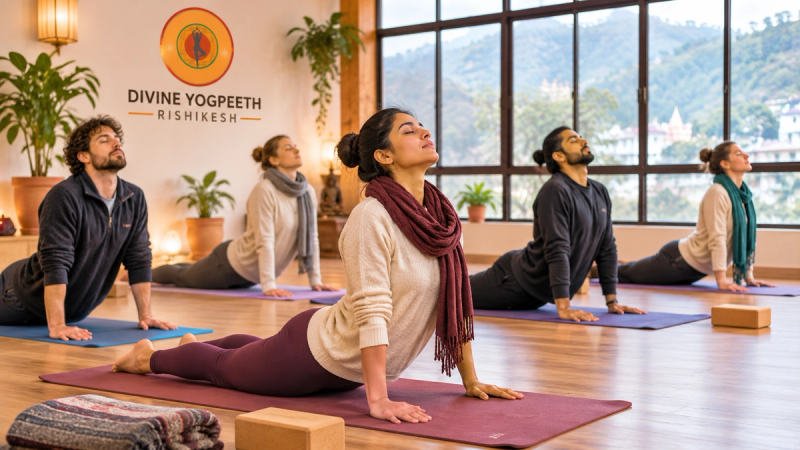
Your day may begin with an early morning yoga session.
Depending on the programme, you might practise Hatha Yoga, gentle Vinyasa, mobility exercises or other traditional approaches.
Morning meditation can help you develop awareness and prepare mentally for the day.
During winter, indoor practice spaces can be particularly useful when outdoor temperatures are uncomfortable.
Pranayama and Breathing Awareness
Breathing practices are an important part of many yoga programmes.
You may learn techniques that develop breathing awareness, concentration and relaxation.
The emphasis should be on understanding correct technique rather than trying advanced practices immediately.
A teacher can help you select suitable exercises according to your experience and physical condition.
Sattvic Meals and Balanced Nutrition
Food is another important part of the retreat experience.
Many yoga centres in Rishikesh offer vegetarian or sattvic meals, often including seasonal vegetables, grains, pulses and simple Indian preparations.
Warm meals can be especially enjoyable during winter.
However, dietary practices differ between centres. If you have allergies, food intolerances or specific nutritional requirements, communicate them before making a booking.
Evening Relaxation and Reflection
Evenings may include meditation, restorative yoga, sound healing or personal reflection.
You can also use this time to journal, read or simply enjoy the quieter surroundings.
Some programmes include guided relaxation practices designed to help you unwind after a full day of activities.
Sound Healing and Deep Relaxation
Sound healing sessions may use singing bowls, gongs and other instruments to create an immersive listening experience.
Many participants find these sessions relaxing, although claims that sound frequencies cure medical conditions should be treated cautiously.
If you are interested in exploring this practice more deeply, you can consider a sound healing training course.
Why Choose Rishikesh for a Winter Yoga Holiday?
There are many destinations in India where you can practise yoga, but Rishikesh offers a distinctive combination of natural surroundings, established yoga traditions and spiritual culture.
Located in Uttarakhand, the town sits along the Ganga River, surrounded by Himalayan foothills.
This setting gives your retreat a different character from a conventional hotel holiday.
The Ganga and Its Surroundings
The river is an important part of Rishikesh's cultural and spiritual identity.
You can spend time near the ghats, observe the daily rituals and experience the atmosphere around the river.
Triveni Ghat and the areas around Ram Jhula are popular places to experience local traditions.
If you visit during winter, carry warm clothing for evening activities near the river.
A Strong Yoga Learning Environment
Rishikesh has a long-standing reputation as an important destination for yoga education.
You will find different approaches to yoga, from traditional Hatha practices to contemporary Vinyasa classes.
This makes the town suitable for beginners, experienced practitioners and people considering professional yoga education.
For a deeper understanding of yoga's philosophical foundations, you can explore the importance of yoga philosophy in modern practice.
Opportunities Beyond the Yoga Studio
A retreat does not mean you must spend every hour practising yoga.
Depending on your schedule, you can explore:
- Local temples and spiritual sites.
- Walking routes around Tapovan.
- Cafes and local vegetarian restaurants.
- The Ganga riverfront and nearby ghats.
- Nearby nature and cultural attractions.
Keep your schedule realistic. A retreat should provide time for rest rather than turning every day into a sightseeing competition.
How to Choose the Right Winter Yoga Retreat in Rishikesh
Choosing a retreat requires more than comparing photographs and advertised prices.
You should understand what is actually included, who teaches the programme and whether the schedule matches your experience level.
Consider these factors before booking.
1. Check the Daily Schedule
Ask for a detailed timetable.
Find out how much time is allocated to yoga, meditation, pranayama, meals and personal rest.
If you are a beginner, choose a programme that provides suitable guidance rather than focusing entirely on advanced postures.
2. Understand Accommodation Facilities
Winter accommodation deserves particular attention.
Check whether the room has:
- Warm blankets and suitable bedding.
- Hot water facilities.
- Clean bathrooms.
- Proper ventilation.
- Heating arrangements, if available.
- Comfortable indoor practice spaces.
Do not assume every accommodation in Rishikesh offers central heating.
3. Understand the Teachers' Experience
A good retreat should provide clear information about its teachers and their qualifications.
Look for relevant teaching experience, practical knowledge and an ability to guide different experience levels.
A certificate or registration alone does not guarantee teaching quality.
4. Compare the Actual Cost
Your budget should include more than the advertised retreat price.
Consider:
- Accommodation.
- Meals.
- Airport or railway transfers.
- Local transportation.
- Additional activities.
- Personal expenses.
- Travel insurance.
If you want to manage your spending, this guide to finding an affordable yoga retreat in Rishikesh can help you plan more carefully.
5. Check the Programme Duration
Your available time should influence your choice.
A short retreat can introduce you to a structured yoga routine, while a longer programme provides more time for regular practice and reflection.
Do not select a programme simply because it promises more activities. Choose one that allows you to participate comfortably.
A Winter Retreat Experience at Divine Yogpeeth
If you are considering a winter yoga retreat in Rishikesh, the location and structure of your programme can make a meaningful difference.
At Divine Yogpeeth, we welcome practitioners interested in yoga, meditation and wellness at our school in Laxman Jhula, Tapovan, Rishikesh, near the sacred Ganga River and the Himalayan foothills.
We offer structured retreat options for different schedules, including our 5-day yoga retreat in Rishikesh and 3-day yoga retreat programme.
You can explore the programme details to understand which duration and practice schedule better match your expectations.
Frequently Asked Questions About Winter Yoga Retreats in Rishikesh
1. Is November to February a good time for a yoga retreat in Rishikesh?
Yes. November to February is generally a popular period because daytime weather is often suitable for yoga, walking and sightseeing.
However, January can be quite cold, especially in the early morning and at night. Your preferred temperature and activities should influence your travel dates.
2. Which is the best winter month for a yoga retreat in Rishikesh?
November and February are good options if you prefer relatively moderate temperatures.
December and January are suitable if you enjoy colder weather and do not mind chilly mornings.
There is no single best month for everyone. Your personal comfort matters more than the popularity of a particular travel period.
3. What clothes should you pack for a winter yoga retreat?
Pack comfortable yoga clothing along with warm layers.
Your winter packing list should include:
- Full-sleeved yoga tops.
- Comfortable yoga pants.
- A warm jacket or sweatshirt.
- Socks and comfortable footwear.
- A scarf or shawl.
- A warm layer for meditation.
- Comfortable clothing for evening activities.
Layering is useful because afternoons can feel considerably warmer than early mornings.
4. Can beginners attend a winter yoga retreat in Rishikesh?
Yes. Many retreats welcome beginners as well as experienced practitioners.
Before booking, confirm whether the programme includes beginner-friendly instruction, modifications and sufficient time for rest.
You do not need to master advanced yoga postures before attending a retreat.
5. How many days should you spend at a winter yoga retreat?
Three to five days can be a practical starting point if you have limited time.
A three-day programme offers a short introduction, while five days provide additional opportunities to establish a consistent routine.
If you want more intensive yoga education, you may want to explore a longer teacher training programme instead.
Conclusion: Make This Winter a Time for Yoga and Reflection
A winter yoga retreat Rishikesh experience offers more than an opportunity to escape your regular routine. It gives you time to practise consistently, explore yoga beyond physical postures and experience the peaceful surroundings of the Himalayan foothills.
November to February each offers something different. November and February generally provide milder conditions, while December and January bring a more traditional winter atmosphere.
The right choice depends on your comfort, available time and personal goals.
If you are ready to plan your winter retreat, explore the programmes offered by Divine Yogpeeth.
Choose our 5-day yoga retreat in Rishikesh for a longer introduction to retreat life, and start planning your winter experience in the peaceful surroundings of Tapovan.
Your next step towards a more mindful routine can begin this winter.