
Yoga for immunity science backed practices may support stress regulation, sleep and overall health. Explore 7 poses and breathing techniques. Learn more.
Yoga for immunity science backed poses: 7 Effective Poses and Practices to Support Your Immune Health
Your immune system works around the clock, but your daily habits influence how well your body maintains its natural defences. Yoga for immunity science backed poses offers a practical way to support your overall health through movement, breathing exercises, stress management and better sleep.
You do not need an advanced yoga practice or hours of daily exercise to experience its potential benefits. A consistent routine combining gentle asanas, pranayama and relaxation can help you develop healthier responses to everyday physical and mental stress.
But does yoga actually strengthen your immune system? Can specific poses improve immune function, or is the connection more complicated?
Understanding the science helps you separate realistic health benefits from exaggerated wellness claims. In this guide, you will explore seven accessible yoga poses, breathing techniques and lifestyle practices that may support immune health.
You will also learn how to build a sustainable routine and why practising yoga in Rishikesh can provide a meaningful environment for developing long-term wellness habits.
1. Yoga for Immunity: What Does Scientific Research Actually Say?
Your immune system is a complex network involving white blood cells, antibodies, lymphatic tissues and other biological mechanisms. Its primary responsibility is identifying and responding to harmful microorganisms while maintaining balance within the body.
Yoga does not directly replace these natural defence mechanisms. However, research suggests that regular yoga practice may influence several factors associated with immune health.
Three areas deserve particular attention.
The relationship between stress and immunity
When you experience prolonged stress, your body releases hormones such as cortisol and adrenaline.
These hormones are important for responding to immediate challenges. However, persistent stress can disrupt normal immune regulation and contribute to inflammatory changes.
Yoga combines physical movement, controlled breathing and relaxation. These practices may help reduce perceived stress and support healthier stress responses.
Research examining yoga-based interventions has reported changes in certain inflammatory and immune-related biomarkers. However, findings vary depending on the participants, duration and type of intervention.
This distinction matters: changes in a laboratory marker do not automatically mean fewer infections or stronger protection against disease.
Better sleep and immune regulation
Sleep is another important factor.
During sleep, your body performs essential recovery processes and regulates immune signalling. Consistently poor sleep can negatively affect normal immune responses.
Gentle evening yoga, breathing exercises and relaxation may help you prepare for sleep by reducing physical tension and mental restlessness.
Supporting healthy inflammatory responses
Inflammation is not always harmful. It is a necessary part of the body's response to injury and infection.
Problems can arise when inflammatory processes remain unnecessarily elevated over time.
Some studies suggest that mind-body interventions, including yoga, may influence inflammatory markers. Nevertheless, the evidence is still developing.
For reliable background information about yoga research and professional standards, explore Yoga Alliance.
The practical takeaway: Yoga should be considered a complementary wellness practice, not an immune booster, infection treatment or substitute for vaccination, medical care and healthy nutrition.
2. Seven Science-Informed Yoga Poses to Support Immune Health
You do not need complicated postures to create a beneficial yoga routine.
The following poses focus on gentle movement, mobility, relaxation and breathing awareness. These are useful foundations for a balanced practice.
Importantly, no individual yoga pose has been conclusively demonstrated to prevent infections or directly strengthen immunity.
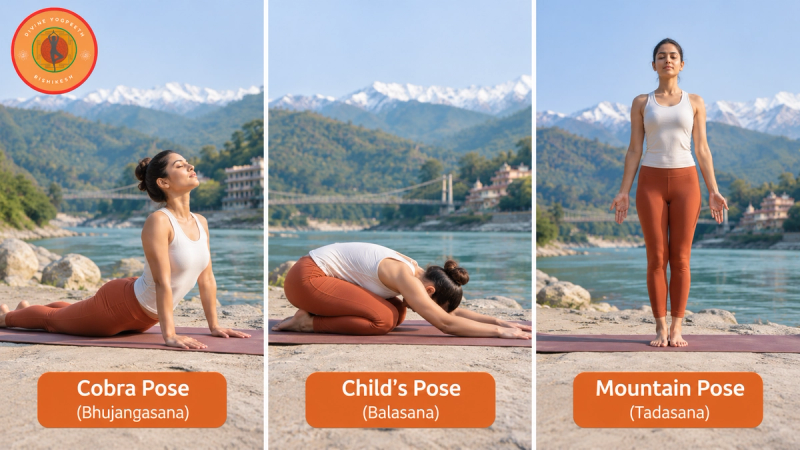
1. Tadasana (Mountain Pose)
Tadasana may look simple, but it develops awareness of your posture, balance and breathing.
Stand with your feet approximately hip-width apart. Distribute your weight evenly across both feet.
Lengthen your spine, relax your shoulders and keep your breathing natural.
Hold the position for 30–60 seconds.
Potential benefits:
- Encourages better postural awareness.
- Develops balance and body coordination.
- Provides a foundation for mindful breathing.
2. Bhujangasana (Cobra Pose)
Bhujangasana is a gentle backbend that encourages spinal extension and opens the front of your upper body.
Lie on your stomach with your palms beside your chest. Keep your elbows close to your body.
Inhale and gently lift your chest using your back muscles. Avoid pushing excessively through your hands.
Hold for 15–20 seconds before releasing.
Potential benefits:
- Improves spinal mobility.
- Encourages chest and shoulder movement.
- Helps counter prolonged sitting posture.
Avoid forcing the backbend, particularly if you experience lower-back discomfort.
3. Adho Mukha Svanasana (Downward-Facing Dog)
This familiar yoga posture stretches several muscle groups while encouraging coordinated movement and breathing.
Start on your hands and knees. Lift your hips upwards and backwards, creating an inverted V shape.
Keep your knees slightly bent if your hamstrings feel tight. Maintain a comfortable neck position.
Stay for 20–30 seconds.
Potential benefits:
- Stretches the shoulders, calves and hamstrings.
- Builds upper-body strength.
- Encourages coordination between movement and breathing.
If you have wrist problems, modify the posture or choose an alternative.
4. Setu Bandhasana (Bridge Pose)
Setu Bandhasana is a gentle backbend that activates your gluteal muscles and encourages controlled movement.
Lie on your back with your knees bent and feet flat on the floor.
Keep your arms beside your body. Inhale and slowly lift your hips while maintaining comfortable alignment.
Hold for 15–30 seconds and release slowly.
Potential benefits:
- Strengthens the glutes and supporting muscles.
- Encourages hip mobility.
- Provides a gentle chest-opening movement.
5. Balasana (Child's Pose)
Balasana is particularly useful when you want to slow down your practice.
Kneel on the mat, bring your big toes together and gently lower your hips towards your heels.
Extend your arms forward or rest them beside your body. Allow your breathing to become comfortable and relaxed.
Stay for 1–2 minutes.
Potential benefits:
- Encourages physical relaxation.
- Provides a gentle stretch for the back and hips.
- Creates an opportunity to practise mindful breathing.
Use a cushion beneath your hips if necessary.
6. Viparita Karani (Legs-Up-the-Wall Pose)
Viparita Karani is a restorative posture that can help you unwind after a physically demanding day.
Sit sideways next to a wall, lower your upper body onto the floor and gently bring your legs upwards against the wall.
Keep your body relaxed and avoid forcing your hips close to the wall.
Remain in the position for 3–5 minutes.
Potential benefits:
- Encourages relaxation.
- Reduces the physical effort required during practice.
- Provides a comfortable position for slow breathing.
If you have glaucoma, certain cardiovascular conditions or discomfort in this position, seek appropriate medical advice before practising.
7. Shavasana (Corpse Pose)
Shavasana is often practised at the end of a yoga session, but its importance should not be underestimated.
Lie comfortably on your back with your arms slightly away from your body and your legs relaxed.
Close your eyes if comfortable. Observe your natural breathing without trying to control every breath.
Remain still for 5–10 minutes.
Potential benefits:
- Encourages relaxation.
- Helps reduce perceived stress.
- Supports the transition from physical activity to rest.
For many practitioners, Shavasana becomes the most valuable part of a balanced yoga session.
3. Pranayama for Immune Health: Three Breathing Practices Worth Learning
Yoga is not limited to physical postures. Pranayama, the traditional practice of breath regulation, is another important component of a balanced yoga routine.
Your breathing patterns can change in response to stress, anxiety and physical activity. Learning to breathe comfortably and consciously may help regulate your stress response.
Here are three accessible techniques to explore.
1. Nadi Shodhana (Alternate Nostril Breathing)
Nadi Shodhana involves alternating airflow through the nostrils using gentle hand movements.
How to practise:
- Sit comfortably with your spine naturally upright.
- Use your right thumb to close your right nostril.
- Inhale gently through your left nostril.
- Close the left nostril and release the right.
- Exhale through the right nostril.
- Inhale through the right, switch sides and exhale through the left.
This completes one round.
Practise for 3–5 minutes without holding your breath or forcing the airflow.
Why include it?
Slow, comfortable breathing can encourage relaxation and reduce perceived stress. Nadi Shodhana also develops concentration and awareness of your breathing patterns.
2. Bhramari Pranayama (Humming Bee Breath)
Bhramari involves producing a gentle humming sound while exhaling.
How to practise:
- Sit in a comfortable position.
- Close your eyes and relax your jaw.
- Inhale gently through your nose.
- Exhale slowly while producing a soft humming sound.
- Repeat for 5–7 comfortable rounds.
The vibration created by humming provides a sensory focus that may help you become more attentive and relaxed.
You do not need to produce a loud sound. Keep your throat comfortable.
3. Diaphragmatic Breathing (Belly Breathing)
Diaphragmatic breathing encourages the diaphragm to participate naturally in breathing.
How to practise:
- Lie down or sit comfortably.
- Place one hand on your abdomen and the other on your chest.
- Inhale gently through your nose.
- Notice your abdomen expanding comfortably.
- Exhale slowly without squeezing your stomach.
- Continue for 3–5 minutes.
This technique can help develop awareness of breathing and may support relaxation.
What does research suggest about breathing practices?
Research into slow breathing and mind-body interventions has explored their relationship with autonomic nervous system activity, stress and emotional regulation.
However, evidence that any particular pranayama technique directly increases immune protection remains insufficient.
For broader scientific reading on yoga, breathing interventions and health, you can explore the research available through PubMed.
If you want to understand the traditional breathing methods in greater depth, our guide to pranayama techniques and their benefits in yoga practice offers a useful next step.
4. Daily Habits That Make Your Yoga Practice More Effective
Practising yoga for 20 minutes and ignoring your other health habits will not give you complete wellness.
Your immune system depends on several interconnected factors. Yoga can support a healthy lifestyle, but it works best when combined with appropriate nutrition, sleep, movement and preventive healthcare.
Consider these five practical habits.
1. Prioritise consistent sleep
Adults generally need at least seven hours of sleep each night, although individual requirements vary.
An inconsistent sleep schedule can affect your energy, concentration and normal immune regulation.
Try these habits:
- Maintain a regular bedtime.
- Reduce screen exposure before sleeping.
- Avoid intense yoga immediately before bed if it makes you feel stimulated.
- Include gentle breathing or relaxation in your evening routine.
A short Shavasana session before sleeping may help you transition into a calmer state.
2. Eat a balanced, nutrient-rich diet
Your body needs adequate nutrients to maintain normal immune function.
A balanced diet should include:
- Fruits and vegetables for vitamins, minerals and antioxidants.
- Protein sources such as lentils, beans, dairy, eggs or other suitable foods.
- Whole grains for fibre and sustained energy.
- Healthy fats from nuts, seeds and other appropriate sources.
Vitamin C, vitamin D, zinc and other nutrients contribute to normal immune function.
However, consuming excessive amounts of supplements does not automatically improve immunity. Supplementation should depend on your individual nutritional needs and medical advice.
3. Stay adequately hydrated
Water supports circulation, digestion, temperature regulation and several other physiological processes.
Your hydration needs depend on your activity level, climate and individual health.
During yoga practice, keep water available and drink according to your needs. Avoid forcing excessive water consumption.
If you practise in Rishikesh during warmer months, pay particular attention to hydration because heat and sweating can increase fluid requirements.
4. Practise regularly rather than intensely
Consistency is more useful than occasional exhausting sessions.
You can begin with 15–20 minutes of gentle yoga and gradually increase the duration as your comfort improves.
A sustainable routine may include:
- Gentle stretching on most days.
- Moderate physical activity throughout the week.
- Breathing exercises for relaxation.
- Adequate recovery between demanding sessions.
The objective is to develop a routine that fits your life rather than treating yoga as another stressful obligation.
5. Understand the importance of preventive healthcare
Yoga is not a replacement for medical treatment.
Vaccination, appropriate medical screening, hand hygiene, balanced nutrition and timely treatment remain important parts of protecting your health.
If you have an existing medical condition, persistent fatigue, recurrent infections or unexplained symptoms, consult a qualified healthcare professional rather than assuming yoga alone will resolve the problem.
You can also explore yoga and mental health research to understand how physical practice, relaxation and psychological well-being are connected.
5. Why Practising Yoga in Rishikesh Can Support Your Wellness Goals
The environment in which you practise can influence your consistency, concentration and overall experience.
Rishikesh, located in Uttarakhand at the foothills of the Himalayas, has developed an international reputation as a destination for yoga education and spiritual learning.
For international visitors and Indian practitioners, spending time in Rishikesh offers an opportunity to experience yoga beyond occasional studio classes.
A dedicated environment for daily practice
When you step away from your usual routine, you may find it easier to establish consistent practice habits.
A structured day can include morning asanas, pranayama, meditation, balanced meals and adequate rest.
This structure is particularly useful if your regular schedule makes it difficult to prioritise physical and mental well-being.
Learning yoga beyond physical postures
Traditional yoga education introduces you to several interconnected disciplines.
These include:
- Asana for physical movement and stability.
- Pranayama for breath awareness and regulation.
- Meditation for attention and mental clarity.
- Yoga philosophy for understanding the broader purpose of practice.
- Relaxation techniques for recovery and self-awareness.
Learning these elements together gives you a more complete understanding of yoga.
The importance of a comfortable natural setting
The Himalayan surroundings and the presence of the Ganga River contribute to Rishikesh's distinctive atmosphere.
However, natural surroundings should not be confused with a medical benefit.
The altitude, weather, air quality and seasonal conditions can also affect your experience. Choose an appropriate practice intensity and allow yourself time to adapt.
If you are considering a longer stay, our guide to choosing a yoga retreat in Rishikesh as an international visitor explains practical considerations before travelling.
6. Learn a Structured Approach to Yoga at Divine Yogpeeth
Developing a personal yoga routine is a good starting point. However, understanding alignment, breathing techniques, modifications and yoga philosophy requires more structured learning.
At Divine Yogpeeth, located in Laxman Jhula, Tapovan, Rishikesh, you can explore yoga education in an environment dedicated to traditional practice and teacher development.
Our yoga school in Rishikesh introduces you to different learning opportunities, whether you are interested in personal development or a deeper understanding of yoga.
Depending on your experience and goals, you can consider:
- 100-Hour Yoga Teacher Training: An introductory structured learning option for developing your understanding of asana, pranayama and yoga fundamentals. Explore our 100-Hour Yoga Teacher Training in Rishikesh.
- 200-Hour Yoga Teacher Training: A more comprehensive programme covering yoga techniques, anatomy, philosophy, teaching methodology and practical instruction. Discover our 200-Hour Yoga Teacher Training programme.
- Yoga Retreats: If you prefer a shorter wellness-focused stay rather than teacher training, explore our 5-day yoga retreat in Rishikesh.
Remember that a teacher training certificate does not qualify you to diagnose or treat immune disorders. The purpose of yoga education is to develop responsible teaching skills and a deeper understanding of the practice.
7. How to Build a 20-Minute Daily Yoga Routine for Immune Wellness
Knowing individual poses is useful, but combining them into a manageable routine makes regular practice easier.
If you are a beginner, start with this simple 20-minute sequence.
Your 20-minute daily routine
DurationPracticePurposeMinutes 1–3Gentle warm-upRelax your shoulders, move your neck gently and practise comfortable breathing.Minutes 4–6Tadasana and gentle standing movementsDevelop posture awareness and prepare your body for movement.Minutes 7–10Bhujangasana and Setu BandhasanaPractise gentle backbends with controlled, comfortable movements.Minutes 11–13Adho Mukha Svanasana and BalasanaMove between a gentle stretch and a comfortable resting position.Minutes 14–17Nadi Shodhana or diaphragmatic breathingUse gentle breathing without force or breath retention.Minutes 18–20ShavasanaRelax your body and allow your breathing to return to its natural rhythm.
How often should you practise?
For most healthy beginners, starting with 15–20 minutes on four or five days per week is a reasonable approach.
You can gradually increase the duration according to your comfort, recovery and experience.
A few important guidelines:
- Practise on a comfortable, non-slip surface.
- Avoid exercising immediately after a heavy meal.
- Do not force stretches or hold uncomfortable positions.
- Stop if you experience dizziness, chest pain or unusual breathlessness.
- Avoid vigorous breathing techniques when you are unwell or experiencing respiratory discomfort.
If you have hypertension, heart disease, respiratory problems or other medical conditions, discuss appropriate modifications with your healthcare professional.
The most effective routine is one that you can maintain safely over time.
8. Frequently Asked Questions About Yoga and Immunity
1. Can yoga really strengthen your immune system?
Yoga may support factors associated with healthy immune regulation, including stress management, sleep quality and physical activity. Some research has identified changes in immune-related biomarkers following yoga interventions. However, there is not enough evidence to claim that yoga directly prevents infections or guarantees stronger immunity.
2. Which yoga pose is best for immune health?
There is no scientifically established best yoga pose for immunity. Balasana, Shavasana, Tadasana and gentle backbends can be useful components of a balanced practice because they encourage movement, relaxation and body awareness.
3. How long should you practise yoga for immune wellness?
You can begin with 15–20 minutes of gentle yoga several days per week. Gradually adjust your routine according to your fitness, experience and medical needs. Consistency is more important than performing difficult poses.
4. Is pranayama more effective than yoga asanas for immunity?
There is insufficient evidence to establish that pranayama is superior to asanas for immune function. Both can contribute to a broader mind-body practice. Combining comfortable breathing, appropriate movement and relaxation is a practical approach.
5. Can you practise yoga when you have a cold or fever?
You should avoid strenuous yoga during fever, significant fatigue or an active illness that makes exercise uncomfortable. Rest, hydration and appropriate medical care should take priority. Once you recover, gradually return to gentle practice. Seek medical advice if symptoms are severe or persistent.
9. Conclusion: Make Yoga a Consistent Part of Your Wellness Routine
Yoga for immunity science backed poses should be understood as part of a broader approach to maintaining good health, not as a shortcut to avoiding illness.
Gentle asanas, pranayama and relaxation can help you develop healthier movement habits, manage everyday stress and support better sleep.
The scientific evidence is encouraging in some areas, particularly stress regulation and aspects of psychological well-being. However, direct claims about preventing infections or boosting immune function require stronger research.
Start with a manageable routine. Practise regularly, eat a balanced diet, sleep sufficiently and follow appropriate medical guidance.
If you want to deepen your understanding of yoga beyond home practice, explore the structured programmes at Divine Yogpeeth in Rishikesh.
Ready to develop a more informed and consistent yoga practice? Explore our 200-Hour Yoga Teacher Training in Rishikesh and build a stronger foundation in asanas, pranayama, anatomy and yoga philosophy.
Your health deserves a practice built on consistency, knowledge and balance.
IMAGE SUGGESTIONS (SEPARATE FROM BLOG)
1. Featured Image — Top of Blog
Description: A yoga practitioner meditating beside the Ganga with the Himalayan landscape in the background. Natural morning light, peaceful atmosphere and minimal visual distractions.
ALT Text: Yoga for immunity science backed poses practised in Rishikesh beside the Ganga River.
File name: yoga-immunity-science-backed-rishikesh.jpg
2. In-Content Image — After Section 2
Description: A clean composition showing different yoga asanas, preferably three separate photographs illustrating Cobra Pose, Child's Pose and Mountain Pose.
ALT Text: Yoga poses to support immune health during a yoga practice in Rishikesh.
File name: yoga-poses-immune-health-rishikesh.jpg
3. In-Content Image — Near CTA Section
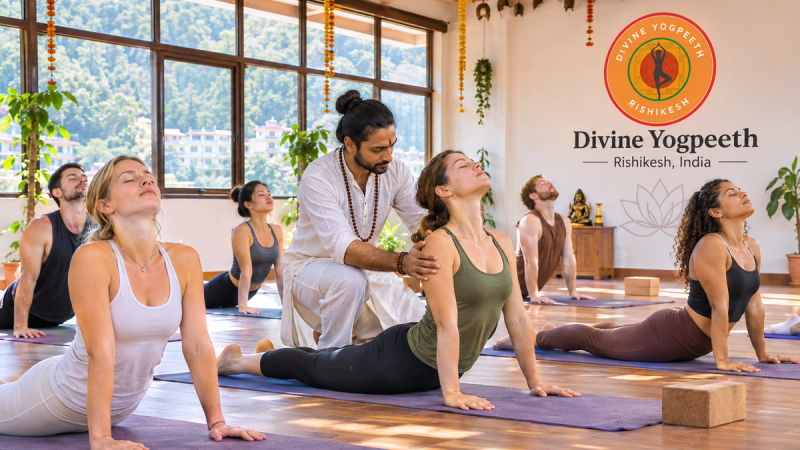
Description: International students practising yoga together in a bright, welcoming yoga shala in Rishikesh. Focus on authentic learning, instruction and community.
ALT Text: Yoga teacher training for holistic wellness at Divine Yogpeeth Rishikesh.
File name: divine-yogpeeth-yoga-training-rishikesh.jpg
SELF-CHECK
- Word Count: Approximately 2,200–2,400 words. Exact count requires independent verification.
- Main Page Links: 4
- Blog Links: 3
- External Links: Exactly 2
- https://pubmed.ncbi.nlm.nih.gov
- Both use rel="nofollow".
- URL Verification: All internal URLs match the approved URLs supplied in the brief. No known mismatches.