
Transformative yoga retreat vs yoga holiday: discover 7 differences that shape your practice, mindfulness and daily habits in Rishikesh. Find out more.
Transformative yoga retreat vs yoga holiday: What Makes a Retreat Genuinely Transformative?
Introduction
A transformative yoga retreat vs yoga holiday is not simply a choice between practising more yoga and spending more time relaxing. It is a choice between two different intentions: taking a refreshing break from everyday life and creating the conditions to examine how you live, think, move and respond to stress.
Both experiences can be valuable. A holiday with yoga classes may leave you rested, energised and inspired by a beautiful destination. A thoughtfully designed retreat can offer those same benefits while giving you more time for meditation, self-reflection, consistent practice and practical changes you can continue at home.
The difference does not depend on how spiritual a programme sounds, how remote the location feels or how many hours you spend on a mat. It depends on the quality of the teaching, the structure of your days, the space you have to reflect and what you do with your experience afterwards.
Rishikesh, India, offers a distinctive setting for this exploration, with established yoga traditions, Himalayan surroundings and the Ganga flowing through the region.
Here are seven meaningful ways to distinguish a holiday that includes yoga from a retreat designed to support lasting personal growth, along with practical guidance for choosing an experience that suits your needs.
1. Transformative Yoga Retreat vs Yoga Holiday: The Intention Matters
The first difference is the reason you choose to go.
A yoga holiday generally prioritises enjoyment, relaxation and a change of scenery. Your schedule may include morning yoga, sightseeing, local food, shopping, riverside walks and plenty of free time. You can return home feeling refreshed without changing your existing routine.
A retreat places more emphasis on a particular intention. You might want to develop a consistent meditation practice, understand yoga philosophy, improve your awareness of stress or reconnect with habits that support your wellbeing.
Neither approach is inherently superior. The right choice depends on what you need at this stage of your life.
Consider these questions before booking:
- Do you mainly want rest, recreation and time away from work?
- Are you interested in understanding your patterns, attention and reactions?
- Would a structured daily routine help you practise more consistently?
- Are you willing to spend some time journalling, reflecting or sitting quietly?
Your answers help you identify whether a conventional holiday or a more structured retreat is the better fit.
Look beyond promotional language. A programme calling itself transformative may offer little beyond standard yoga classes and accommodation. Equally, a modest retreat with skilled teachers and a thoughtful timetable may give you meaningful opportunities for learning.
If you are exploring yoga's philosophical foundations, the Yoga philosophy and modern practice guide can help you consider how its principles relate to everyday choices.
You do not need to arrive with a dramatic personal goal. A simple intention, such as learning to pause before reacting or establishing a regular morning practice, can give your retreat a useful direction.
2. Daily Structure: Consistency Creates Space for Reflection
A second difference is how your time is organised.
On a yoga holiday, classes may be optional activities fitted around excursions and leisure. That flexibility can be ideal when you want to explore Rishikesh without following a demanding timetable.
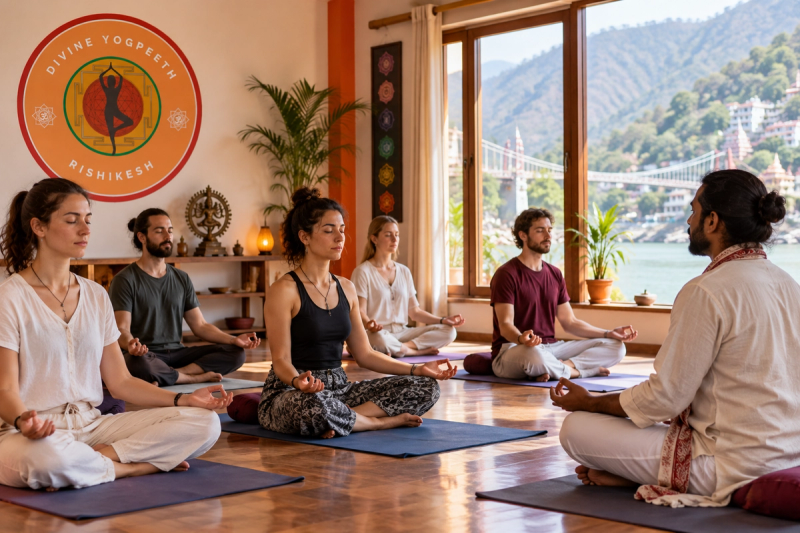
A structured retreat typically creates a more consistent rhythm. Your day might begin with gentle movement or meditation, continue with a yoga session, include time for meals and rest, and end with reflection or a calming evening practice.
The specific schedule should depend on the programme, your experience and your physical needs. More activity does not automatically produce better results.
What a balanced retreat schedule can include
Morning practice: Gentle movement, asana or breath awareness to establish attention at the beginning of the day.
Focused learning: Guided meditation, yoga philosophy or discussions that help you understand the purpose behind a practice.
Rest and nourishment: Regular meals, hydration, adequate sleep and time without continuous activities.
Evening reflection: A short journalling session, restorative practice or quiet period to notice what you experienced.
This rhythm matters because repetition gives you opportunities to observe your responses over several days. You may notice that a slower practice helps you concentrate, that rushing affects your breathing or that quiet time feels uncomfortable at first.
These observations are more useful than trying to force a breakthrough.
Before booking, ask whether the timetable includes sufficient rest, whether classes suit beginners and experienced practitioners, and whether participation can be adapted when necessary. A responsible retreat respects individual limits instead of treating exhaustion as evidence of progress.
You should finish a session feeling appropriately challenged, not pressured to ignore pain or compete with other participants.
3. The Teaching Goes Beyond Physical Yoga Poses
Yoga postures can improve physical awareness and mobility, depending on the practice and the individual. But a retreat focused on deeper learning can also explore attention, breathing, meditation, self-study and the principles that guide your behaviour.
The quality of this learning matters more than the number of activities advertised.
A good teacher explains why you are doing a practice, offers appropriate modifications and makes room for questions. Rather than promising instant peace, they help you understand how to work with distraction, discomfort and inconsistent motivation.
Look for teaching that connects practice with daily life
For example, a breathing exercise may help you recognise when your breath becomes shallow during a stressful moment. Meditation may help you notice thoughts without immediately acting on them. Yoga philosophy may give you a framework for examining habits, expectations and relationships.
These are possibilities to explore, not guaranteed outcomes. Your experience will depend on your circumstances, the instruction you receive and how you practise.
If you want to explore how yoga teaching is organised, consult Yoga Alliance for information about the yoga education and professional standards associated with its programmes. Check the specific school's current credentials and the scope of any certification before enrolling; a school's claims should not replace your own verification.
A useful question for prospective teachers is: "How do you help participants apply what they learn after the retreat?"
A thoughtful answer should include realistic examples, continued practice and respect for individual differences—not claims that a few days can resolve every emotional or physical difficulty.
4. From Temporary Calm to Habits You Can Maintain
One of the biggest differences between a relaxing break and a purposeful retreat is what happens after you return home.
A peaceful morning beside the Ganga can feel memorable. Yet the real test comes when you are back at work, managing family responsibilities, studying for examinations or dealing with everyday interruptions.
If your practice only works in a quiet mountain setting, it may be difficult to sustain. A well-designed retreat therefore helps you identify manageable routines that fit your normal environment.
Start with small commitments rather than an ambitious schedule.
- Practise for ten minutes before checking your phone.
- Use a short breathing exercise as a pause between tasks.
- Schedule two or three realistic yoga sessions each week.
- Spend five minutes journalling about a recurring challenge.
- Protect your sleep and allow enough time for recovery.
You do not need to adopt every habit at once. Choose one or two that address a genuine need and practise them consistently.
Evidence from research on mindfulness and related practices can help inform expectations, but results vary across people and programmes. For a starting point when exploring published research, use PubMed and look for systematic reviews or controlled studies relevant to your specific question.
Be cautious of claims that a retreat will permanently eliminate anxiety, cure illness or guarantee a complete personality change. A retreat can support reflection and routine-building, but it is not a substitute for appropriate medical or mental health care.
Your progress is better measured by the quality and consistency of your choices than by whether you feel unusually peaceful every day.
5. Why Rishikesh? The Setting Supports the Practice, Not the Promise
Rishikesh attracts yoga practitioners from India and around the world because of its yoga schools, spiritual heritage, Himalayan landscape and connection with the Ganga. For many visitors, the setting provides a welcome contrast to crowded schedules and familiar surroundings.
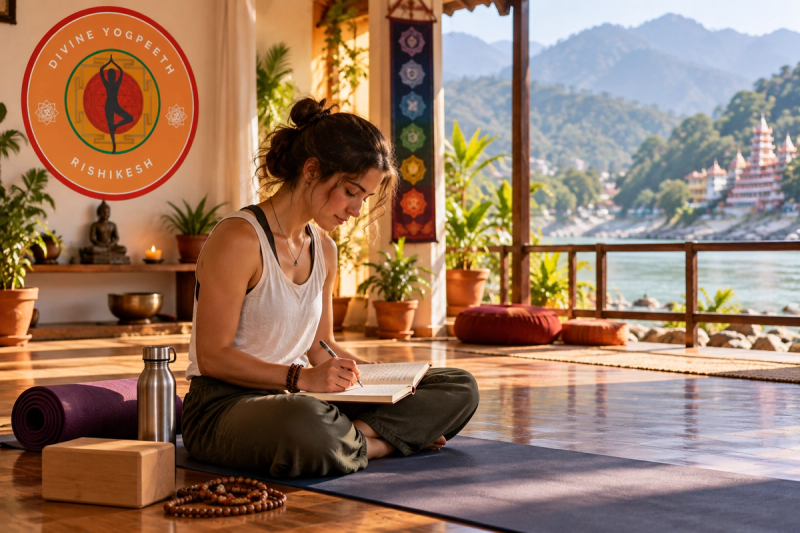
The atmosphere can make it easier to step back from routine. Walking near the river, hearing morning sounds across the town or spending time away from constant digital notifications may create opportunities to pay attention differently.
However, the destination alone cannot make a retreat meaningful. A poorly organised programme in a beautiful location may still leave you tired or disappointed. Good teaching, suitable accommodation, clear expectations and enough time for rest remain essential.
Make the destination work for your needs
If you are considering Laxman Jhula or Tapovan, think about practical details as well as scenery. Check the location of your accommodation, travel arrangements, walking routes, noise levels, meal options and the amount of free time available.
Rishikesh also has busy streets, visitors, commercial areas and changing seasonal conditions. You should not assume that every retreat space is silent or isolated simply because it is associated with yoga.
Choose a programme that gives you a realistic balance between structured practice and exploring the region.
If you are travelling from abroad, review practical guidance for international visitors attending a Rishikesh yoga retreat before finalising your plans. Understanding local transport, accommodation expectations, clothing and cultural etiquette can help you arrive better prepared.
For Indian practitioners, a retreat close to home may offer an equally valuable opportunity to step away from regular responsibilities. You do not need an international flight, expensive accommodation or a dramatic change of scenery to develop a consistent practice.
The destination should serve your intention, not become the entire point of the experience.
6. How to Choose a Retreat That Fits Your Goals and Budget
A genuinely useful retreat is not necessarily the longest or most expensive. It is the one whose structure, teaching and practical arrangements match what you want to achieve.
Start by identifying your main objective. If you want a short break and an introduction to regular yoga, a brief retreat may be enough. If you want more time for sustained practice and guided learning, a longer programme may suit you better.
Compare the details instead of relying on the word "transformative."
What to checkWhy it mattersDaily timetableShows the balance between practice, learning and restTeacher experienceHelps you assess the quality and suitability of instructionGroup sizeInfluences the opportunity to ask questions and receive guidanceAccommodation and mealsHelps you calculate the real cost and comfort of your stayExperience requirementsClarifies whether the programme suits your current levelFlexibility and safetyShows how the school handles physical limitations and participant needsPost-retreat guidanceHelps you continue useful practices at home
Ask what the advertised fee includes. Flights, local transport, additional activities, travel insurance and optional treatments may cost extra.
Also check cancellation policies, refund conditions, dietary arrangements and any relevant health or accessibility considerations before paying.
Choose a duration you can genuinely use
A three-day retreat can provide an introduction, time away from routine and a chance to explore a simple practice. Five days may offer more room for repetition, deeper discussions and reflection.
Neither duration guarantees a particular result. Your readiness, expectations and the programme's quality matter more than the number of days.
If your schedule is tight, a shorter retreat with a manageable routine may be more useful than booking a longer programme you cannot comfortably complete.
If your goal is to teach yoga professionally, distinguish a retreat from a teacher-training course. They serve different purposes, and a recreational or personal-development retreat should not be assumed to provide a professional qualification.
7. Integration: The Real Work Begins When You Go Home
The end of a retreat is not a test of whether you have become a completely different person. It is an opportunity to decide which parts of the experience deserve a place in your ordinary life.
Without a plan, even a memorable retreat can become a collection of photographs and pleasant memories. Integration helps you turn selected insights into practical action.
During your final day, write down three things:
- What you noticed: A habit, reaction or practice that became clearer.
- What you want to continue: One routine that feels realistic and useful.
- What might get in the way: A specific obstacle and a plan for handling it.
For instance, if you found that a quiet morning helped you focus, decide exactly when and where you will practise at home. If you struggled to sit still, begin with shorter sessions instead of judging yourself for being distracted.
Give yourself time to readjust. Returning to familiar responsibilities may make the contrast with retreat life feel strong, but that does not mean the experience has failed.
You can also arrange occasional check-ins with a teacher or practise with a local group if ongoing support helps you stay consistent.
For additional practical ideas, explore these yoga retreat integration tips for maintaining your practice after returning home.
Remember that integration is not about preserving every detail of your retreat. It is about keeping what is useful, adapting it to your circumstances and allowing your routine to develop gradually.
Explore a Yoga Retreat at Divine Yogpeeth
If you are considering a structured yoga experience in Rishikesh, we offer three-day and five-day yoga retreat options at Divine Yogpeeth, located in the Laxman Jhula and Tapovan area.
We encourage you to review the programme details, schedule, inclusions and suitability before choosing the duration that matches your needs. The aim is to help you make an informed decision about your time, budget and practice rather than expecting a fixed outcome from a short stay.
FAQs About Yoga Retreats and Yoga Holidays
1. What is the main difference between a yoga retreat and a yoga holiday?
A yoga holiday generally prioritises recreation, relaxation and sightseeing alongside yoga classes. A structured retreat usually places greater emphasis on consistent practice, reflection and learning. The distinction depends on the actual programme, not just its name.
2. How many days do you need for a meaningful yoga retreat?
Three to five days can give you time to explore a routine and learn new practices. Longer programmes may allow more repetition, but no specific duration guarantees personal transformation. Choose a length that fits your goals and schedule.
3. Is Rishikesh a good destination for a yoga retreat?
Rishikesh offers yoga schools, a strong yoga tradition and access to Himalayan and riverside surroundings. It can be a suitable destination if you select a responsible provider, check practical arrangements and choose a programme appropriate for your experience.
4. Do you need previous yoga experience to attend a retreat?
Not always. Some retreats welcome beginners, while others expect familiarity with particular practices. Check the course description, ask about modifications and let the instructor know about relevant physical limitations before participating.
5. How can you maintain your progress after a retreat?
Choose one or two manageable practices, schedule them into your week and review your progress regularly. Short, consistent sessions are often easier to maintain than an ambitious routine that depends on ideal conditions.
Conclusion: Choose the Experience That Matches Your Intention
The difference between a transformative yoga retreat vs yoga holiday comes down to what you want from your time away and how the experience supports that intention.
A yoga holiday can give you rest, enjoyment and a welcome change of pace. A thoughtfully structured retreat can combine those benefits with consistent practice, guided reflection and realistic habits to take home. Neither needs to be judged by dramatic promises or the number of hours spent practising.
Rishikesh offers a distinctive environment for exploring yoga, but the most important factors remain the quality of your teachers, the suitability of your programme and your willingness to continue practising afterwards.
If you are ready to take a more structured approach, explore our five-day yoga retreat in Rishikesh. Review the details, ask questions and choose a programme that fits your needs. Your next step does not have to be dramatic; it simply needs to be intentional.